The North Carolina Department of Environmental Quality’s State Energy Office has released a plan that identifies ways to cut the state’s greenhouse gas emissions.
The North Carolina Comprehensive Climate Action Plan, or CCAP, includes resilience and carbon reduction measures to meet the goal of Executive Order 246, which was signed by former Gov. Roy Cooper in early 2022 to reduce greenhouse gas emissions by 50% below 2005 levels by 2030.
Supporter Spotlight

“The Comprehensive Climate Action Plan lays out a path for how North Carolina can successfully achieve its greenhouse gas reduction goals,” DEQ Secretary Reid Wilson stated in a release. “Investing in clean energy and energy efficiency will ensure that electricity supplies are reliable and affordable for families and businesses while driving down greenhouse gas pollution.”
The plan targets six key areas, including electricity generation, industry, transportation, buildings, waste management and natural and working lands.
The state’s 2024 Greenhouse Gas Inventory forms the analytical foundation for the six key sectors by establishing a statewide baseline for past emissions and future emissions projections, allowing the state to evaluate the potential impact of future greenhouse gas reduction measures.
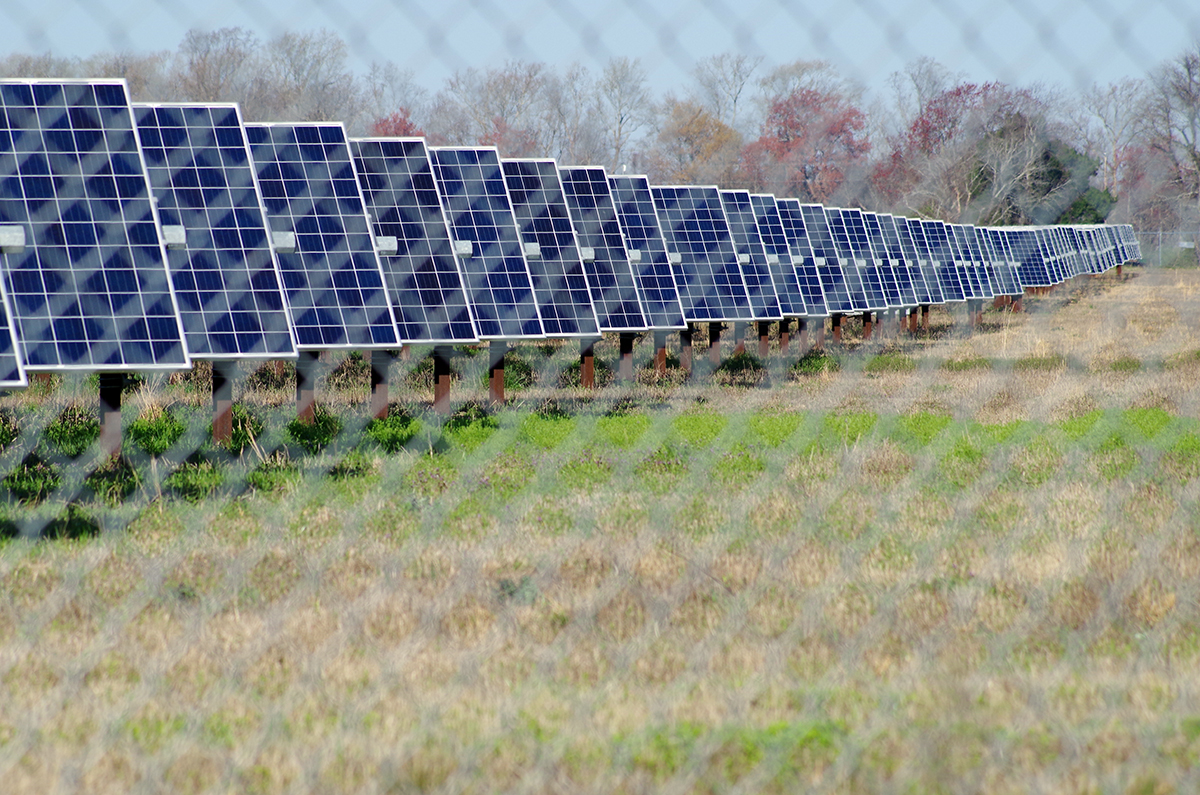
Specific strategies such as increasing options for renewable electricity, improving energy efficiency in buildings, and expanding electric vehicle use and land-based carbon sequestration, will help the state reach this carbon reduction goal, according to state officials.
While a majority of the measures the plan identifies are already funded or anticipate funding, in order for the plan to be successfully long-term, continued and increased investments will need to be made to strengthen resilience and reduce climate pollution, support economic development and workforce readiness, and deliver cleaner air and healthier communities.
Supporter Spotlight

“Implementing projects to achieve the measures in this plan will result in significant energy savings in all sectors of the economy: electricity, industry, buildings, waste and more, which will help North Carolina keep energy costs down, reduce strain on the grid and help us meet our quickly growing energy demands,” State Energy Office Director Julie Woosley said in a release.
DEQ first published a Priority Climate Action Plan in 2024 after the agency received $3 million in Climate Pollution Reduction Grant planning funds. This plan identified the state’s highest priority greenhouse gas reduction measures.
The CCAP builds on that plan by updating and expanding greenhouse gas emission strategies through new data, modeling and stakeholder input, and identifying strategies that can be implemented and are feasible and measurable, according to a DEQ release.