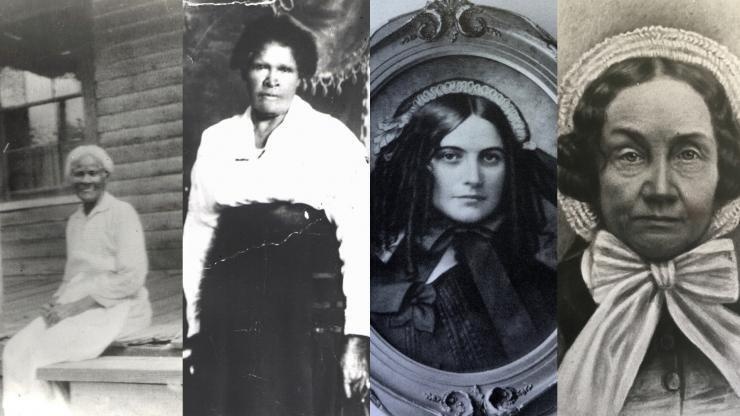
To commemorate Women’s History Month in March, Somerset Place in Washington County is highlighting the contributions that enslaved and free women made to the development, maintenance, and infrastructure of the 18th century plantation with guided tours.
The fee is $10 for the tours being offered at 10 a.m. on March 14, March 18, March 21, March 25 and March 28. For 15 or more people, group reservations are required. The site is located at 2572 Lake Shore Road, Creswell.
Supporter Spotlight
Somerset Place was an active plantation from 1785-1865. Rice, corn, oats, wheat, beans, peas and flax were planted on hundreds of acres, and sawmills turned out thousands of feet of lumber. By 1865, Somerset Place was one of the upper South’s largest plantations.
Now an historic site, Somerset Place is a representative state historic site offering a comprehensive and realistic view of 19th-century life on a large North Carolina plantation.
During its 80 years as an active plantation under slavery from 1785-1865, “enslaved persons converted thousand of acres into high yielding fields of rice, corn, oats, wheat, beans, peas, and flax. Meanwhile, enslaved and free millwrights operated sophisticated sawmills that turned out thousands of feet of lumber. By 1860, Somerset Place was one of the Upper South’s largest plantations,” according to North Carolina Historic Sites.
Almost 200 Black and white, enslaved and free men, women, and children were assembled as a labor force by 1790. “Over the life of the plantation, three generations of owners, around 50 white employees, two free black employees, and more than 861 enslaved people lived and worked on the plantation,” , the sites website continues.
By the mid-19th century, there were more than 50 buildings on-site including barns, saw and gristmills, stables, a hospital, an Episcopal chapel, a kitchen complex, 26 houses for members of the enslaved community, and homes for overseers, tutors, ministers, and the owner’s family, along with a kitchen/laundry, dairy, storehouse, and smoke and salting houses.
Supporter Spotlight

Nearly all the emancipated Black families left the plantation by the end of 1865 after the Civil War. The owners eventually sold and left the property. The plantation remained functioning through 1945.
Somerset’s plantation house and six adjacent structures were incorporated into what was the newly formed Pettigrew State Park in 1939, and in 1969, became a state historic site under the North Carolina Department of Natural and Cultural Resources.
Regular hours for the site are 9 a.m. to 5 p.m. Tuesday through Saturday.