Ocean Conservancy has launched an online calculator that lets users see how many seabirds, sea turtles and marine mammals they’ve helped by picking up plastics from the environment.
Whether you’re a party of one scooping up plastic trash as you stroll on an ocean beach, or part of an organized group cleanup effort along a roadside, the conservancy’s new wildlife impact calculator lets you plug in different types and amounts of plastics you’ve kept from reaching our oceans and seas.
Supporter Spotlight

“Then the calculator uses our science to output the amount of animals that you helped protect had they eaten this plastic,” said Ocean Conservancy Ocean Plastics Research Manager Dr. Erin Murphy.
The science to which Murphy refers is a study conducted by researchers with the nonprofit environmental advocacy group who reviewed the results of more than 10,000 necropsies of animals recorded to have died by ingesting plastics.
The peer-reviewed study published last November focused on dozens of species of seabirds, all seven species of sea turtles, and 31 species of marine mammals from across the globe.
“From these 10,000 animals from around the world, we found that nearly half of sea turtles had plastic in their gut, a third of seabirds, and 12% of marine mammals,” Murphy said. “And then we found that these actual lethal thresholds for these animals were much smaller than we expected.”
For example, seabirds like Atlantic puffins that consumed less than three sugar cubes’ worth of plastics were found to have a 90% mortality rate.
Supporter Spotlight

Loggerhead sea turtles experience, on average, that same rate of death if they ingest just over two baseballs’ worth of plastics. For every one in two harbor porpoises, the threshold is about a soccer ball’s worth, or 60 inches, of plastics.
Scientists found that soft plastics like grocery bags and fishing debris are especially hazardous for marine mammals. In fact, 28 pieces of plastic smaller than the size of a tennis ball is enough to kill a sperm whale.
Rubber and hard plastics were found to be the largest threat for seabirds. Both soft and hard plastics are of particular harm to sea turtles.
Some of the animals autopsied and included in the study were found to have entire garbage bags in their digestive systems. These bags block food from being able to move through an animal’s intestinal tract, leading to starvation and death.
An albatross was found to have died from eating an entire disposable water bottle.
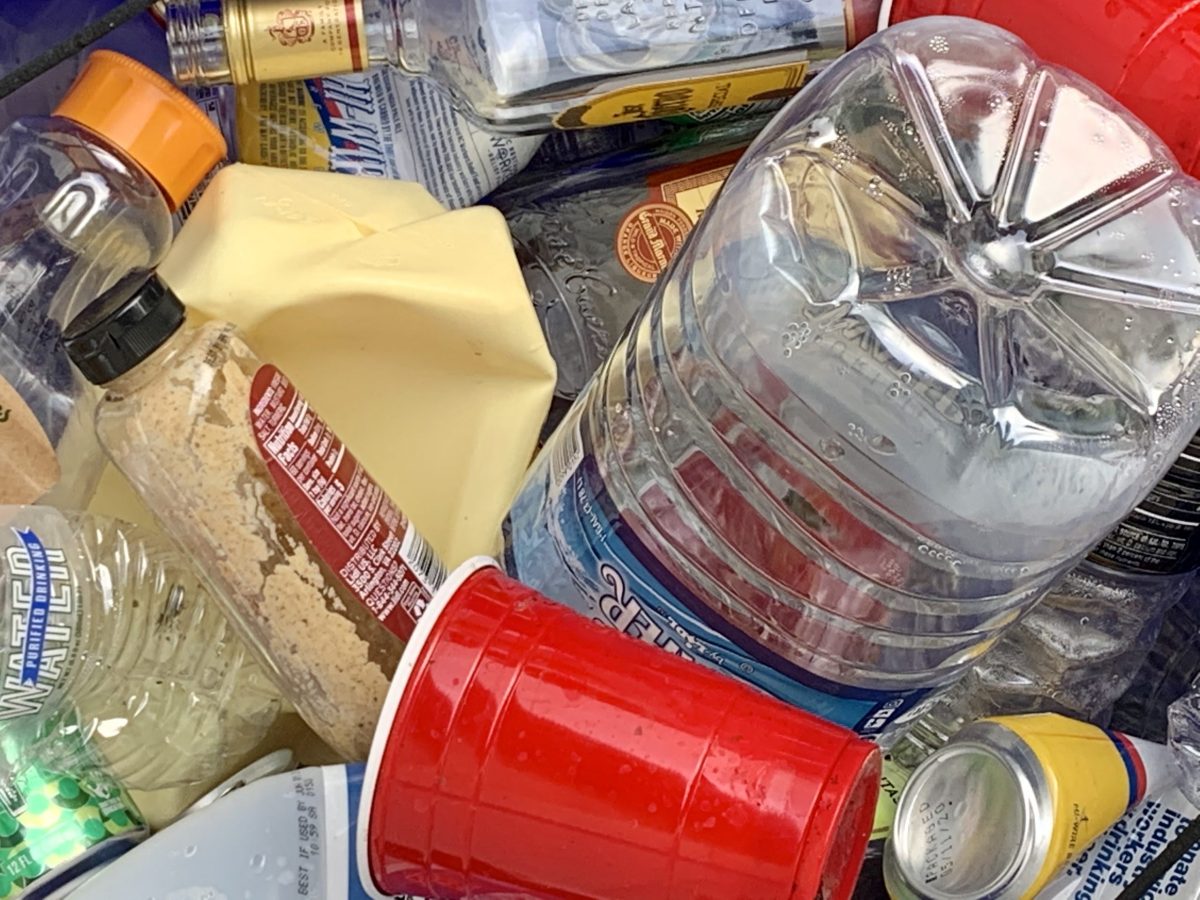
Larger animals, like sperm whales and manatees, had died from eating numerous fishing lures, ice cream wrappers and, in one case, a fully intact three-gallon bucket, Murphy said, adding, “all sorts of things that we frequently find in our beach cleanup.”
Since 1986, more than 400 million pounds of trash has been picked up from beaches and waterways across the world through Ocean Conservancy’s annual International Coastal Cleanup.
The wildlife impact calculator aligns with the organization’s Clean Swell mobile app, which allows users to record each item of trash collected off a beach, in a park or neighborhood.
Information recorded through Clean Swell is plugged into an international database shared with scientists and policymakers around the world. The app allows the user to track the amount of trash that person has collected and share cleanup results with friends on social media.
Murphy said the organization hopes to eventually streamline its wildlife impact calculator with the Clean Swell app.
“We do encourage people to use (the calculator) as a learning tool so even if they’re not able to go out and participate in a cleanup that day, they can absolutely put in numbers and try to understand the relationship between what’s on the beach and how that could affect marine wildlife,” she said.
More than 11 million metric tons (8 million tons) of plastics enter the ocean each year, according to the conservancy.
“Ocean Conservancy does a lot of advocacy work to reduce the amount of plastic we produce and to improve waste management,” Murphy said. “But the third prong in this global effort to address plastic pollution is really cleanups, and every single person going out on the beach and picking up what they see does make a difference in help protecting our ocean animals.”