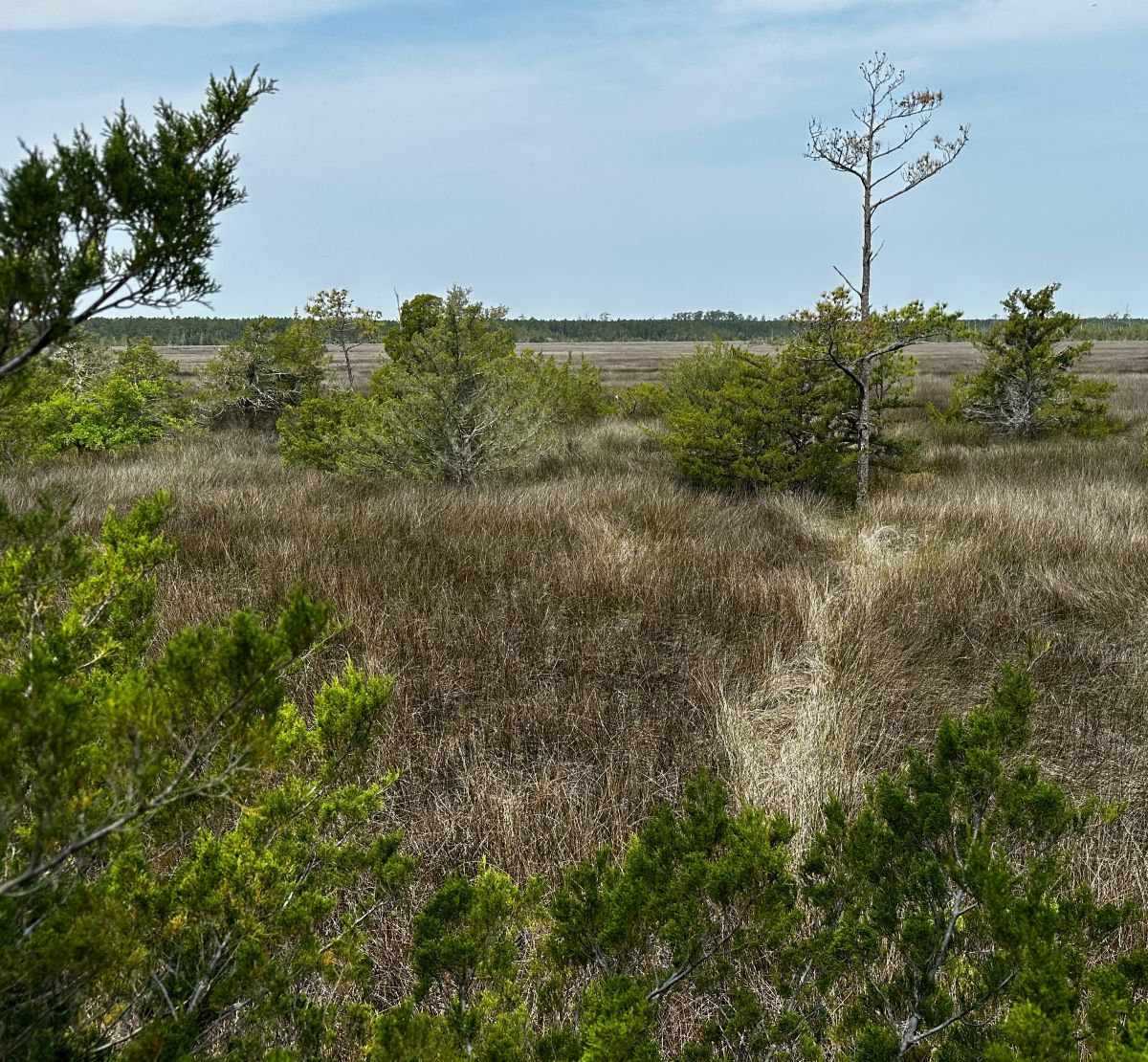
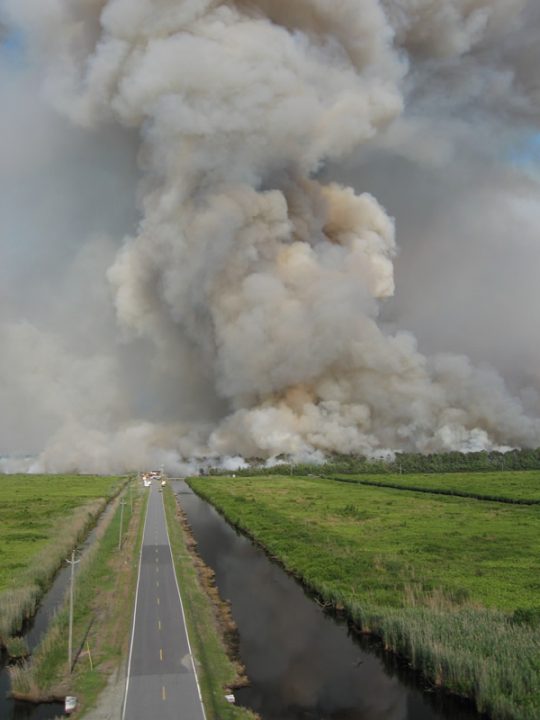
With an overwhelming majority of counties under extreme drought, the North Carolina Forest Service is asking residents to be extra cautious when burning outdoors.
“With the recent rainfall combined with multiple winter storms earlier this year, some folks may not realize that most of North Carolina is still experiencing very dry conditions,” N.C. Agriculture Commissioner Steve Troxler stated in a release. “Our state’s gradual descent into drought and prolonged dry conditions are going to lead to wildfires igniting more easily, burning more intensely and spreading quicker. The best defense against wildfires will always be to prevent them from starting.”
Supporter Spotlight

According to the latest North Carolina Drought Advisory issued Feb. 19 by the Drought Management Advisory Council, 72 of the state’s 100 counties were experiencing severe drought.
As of Feb. 17, almost all of the 20 coastal counties were under moderate drought, with Carteret County experiencing abnormally dry conditions.
The N.C. Drought Management Advisory Council urges residents to practice various water conservation measures as the Forest Service asks the public to apply best practices and common sense when burning outdoors, especially yard debris.
The leading cause of wildfires across North Carolina continues to be escaped yard debris burns, according to the Forest Service. In fact, nearly half of all wildfires in the state start as a result of uncontrolled yard debris burns.
Human-caused wildfires also stem from machine and vehicle use, dragging tow chains, arson and escaped campfires.
Supporter Spotlight

“A fire can escape in a matter of seconds, especially on warm days when winds are gusty,” Troxler stated. “This means you never leave a fire unattended until it is completely out and cold.”
Counties in western North Carolina where forests were substantially damaged during Hurricane Helene in September 2024 “remain especially vulnerable to wildfires due to dead and dying timber,” the Forest Service stated.
Residents should contact their local N.C. Forest Service county ranger’s office before starting outdoor fires.
Observe the following safe burning practices:
- Check local burning laws.
- Ensure you have a valid permit to burn.
- Avoid burning on dry, windy days, placing yard vegetation in a cleared area and contain it by a screen receptacle away from overhead branches and wires.
- Don’t burn on dry, windy days.
- Place vegetative debris in a cleared area and contain it in a screened receptacle away from overhead branches and wires.
- Be sure you are fully prepared before burning, keeping a hose, bucket, steel rake and shovel to toss dirt on the fire, and a phone, close by.
- Do not use kerosene, gasoline, diesel fuel or other flammable liquids to fuel a fire.
- Stay with your fire until it is completely out.
- Apply these tips to campfires and grills, dousing burning charcoal briquettes or campfires thoroughly with water until embers are cold to the touch. Use dirt or sand as an alternative to extinguish the fire, but be careful not to bury the fire.
Residents, especially those sensitive to smoke, including children, active people, older adults and those with heart or lung disease such as asthma, can stay smoke ready by utilizing air quality index resources, including the following:
- The Division of Air Quality website.
- The N.C. State University and Division of Air Quality portal.
- airnow.gov.
For additional information on how to prepare for and prevent wildfires, visit www.preventwildfirenc.org.