From the starvation and struggle of the ill-fated Lost Colony to the house-snatching fury of the latest nor’easter, endurance has always been a primary occupation on North Carolina’s remote Outer Banks. Even today, with soaring bridges and ribbons of asphalt connecting the outside world, a blustery winter day can isolate a soul in relentless gray.
But for locals who call Hatteras Island home, one bite of a savory, golden brown fish cake reminds them why they choose to stay on these unsteady sands.
Supporter Spotlight
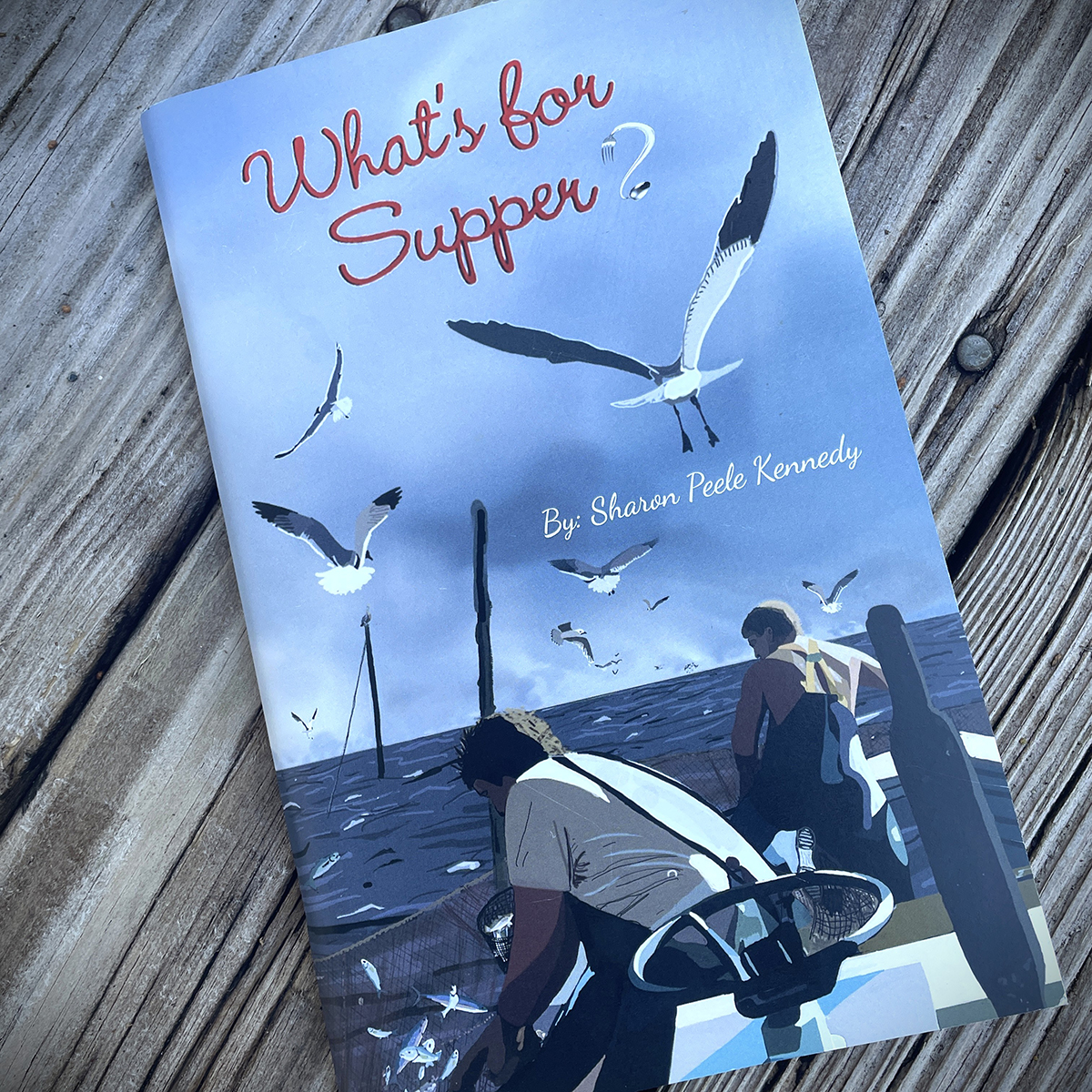
Sharon Peele Kennedy understood that devotion better than most. A culinary icon known through her cookbook, “What’s for Supper,” and her voice on local radio stations, she was the primary guardian of Outer Banks foodways.
For Kennedy, who passed in January 2024, a plate of fish cakes wasn’t just a meal; it was an essential starting point for stories about the traditional Hatteras way of life she cherished.
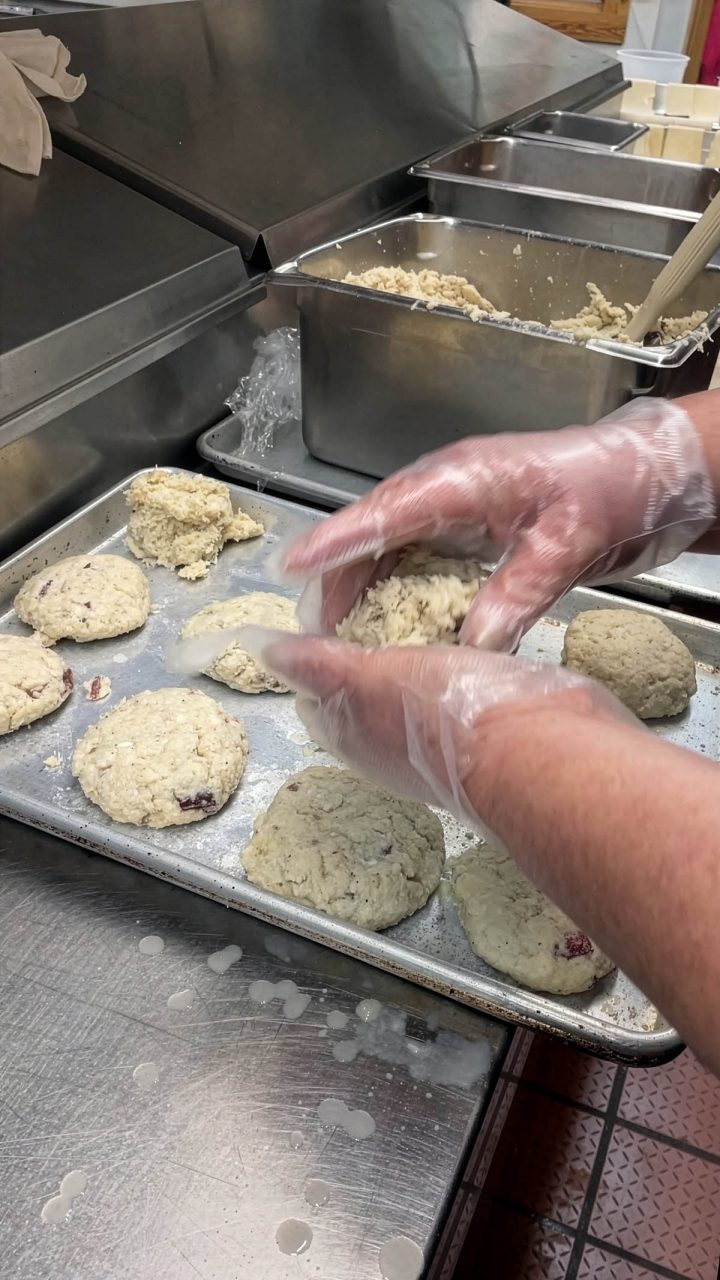
To taste a fish cake in the “Banker” style, the name locals use for the ancestral residents of these islands, is to take a bite of history. Born from the resourceful kitchens of coastal families, these aren’t the typical heavily seasoned fried patties. Just as their forebears did at least two centuries ago, cooks here hand-flake fresh, local fish and then gently fold it with mashed potatoes and not much else.
Kennedy’s own recipe was handed down through generations. Her father, Maxton Peele, was a commercial long-haul and pound-net fisherman who cooked “in the traditional island style” of barely seasoning seafood to preserve its delicate flavor, Kennedy wrote in “What’s for Supper.” Her mother, Juanita Peele, was an expert at adding “unexpected touches” to those dishes.
Kennedy started working at Hatteras-area seafood restaurants when she was just 12 and grew up to become a champion for North Carolina’s commercial fishing families.
Supporter Spotlight

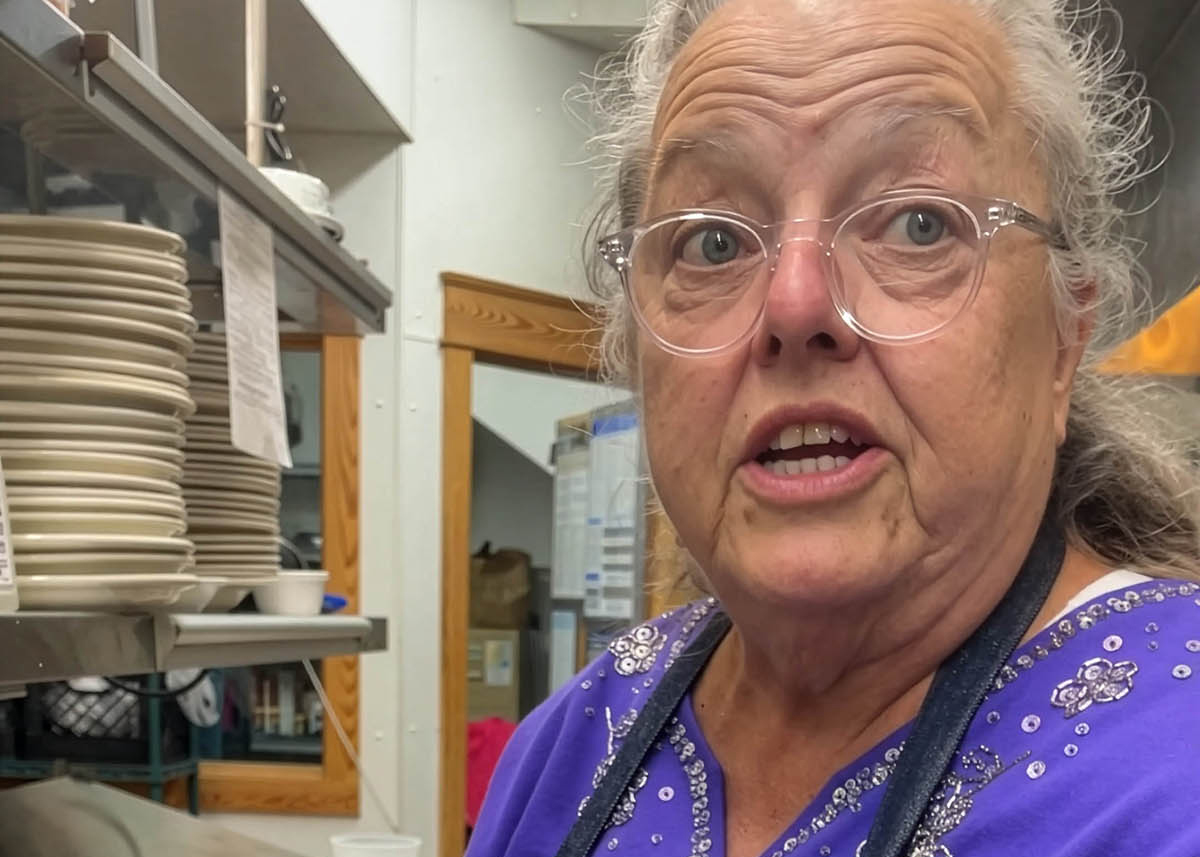
“This is a very traditional food on these banks,” Kennedy told me while she shaped fish cakes for a 2023 fundraising dinner in Nags Head to benefit NC Catch, a nonprofit promoting North Carolina seafood.
Usually, leftover fish was “repurposed by mixing it all together … potatoes, onions and fish,” Kennedy said. “A little salt, a little pepper and an egg. And then shape it. That’s it.”
Such simplicity was forged in an era when grocery stores were nonexistent on Hatteras and thrift was the essential lifeline for island families. The first paved road didn’t open until the 1950s, and a boat or ferry was the only access to the island until a bridge opened in 1963. As Kennedy often reminded her audiences, Bankers “used what they had … what grew in the garden.”
Fortunately, fish was plentiful and could be salt-preserved for the larder. Onions and white potatoes – long known as “Irish potatoes” along the North Carolina shore from Virginia to eastern Carteret County – were the other essentials. Both thrived in sandy coastal soil. The humble staples formed the heart of the Banker fish cake.
Those potatoes and onions hint at how fish cakes became a Hatteras Island tradition, though the local recipe’s exact origin and timeline remain a mystery. When English settlers first arrived at Roanoke Island, the British were not yet potato eaters. While Europeans were introduced to the vegetable in the mid-1500s, most did not widely accept it until the 1700s.
While some credit Scandinavian sailors with the invention of potato-based fiskekaker, others point to the coastal traditions of Ireland. There, boiling potatoes in seawater to serve alongside the daily catch was one kind of survival meal, a flavor profile strikingly similar to the fish cake.
Regardless of who first mashed the two together, the concept found a perfect home on the Outer Banks.
For decades, the threat of piracy and the memory of the Lost Colony kept many settlers away from those shores, but by the mid-1600s, potato and onion farming had taken root in the nearby Albemarle region. As piracy dissipated in the early 1700s and more settlers moved to the barrier islands, they brought “Irish potatoes” and onions with them.
All the ingredients were finally lined up for an Outer Banks fish cake. While Kennedy’s cookbook also offered variations made with rice or hush puppy batter, the basic recipe many Hatteras locals use has remained unchanged: a modest, resourceful marriage of the garden and the sea.
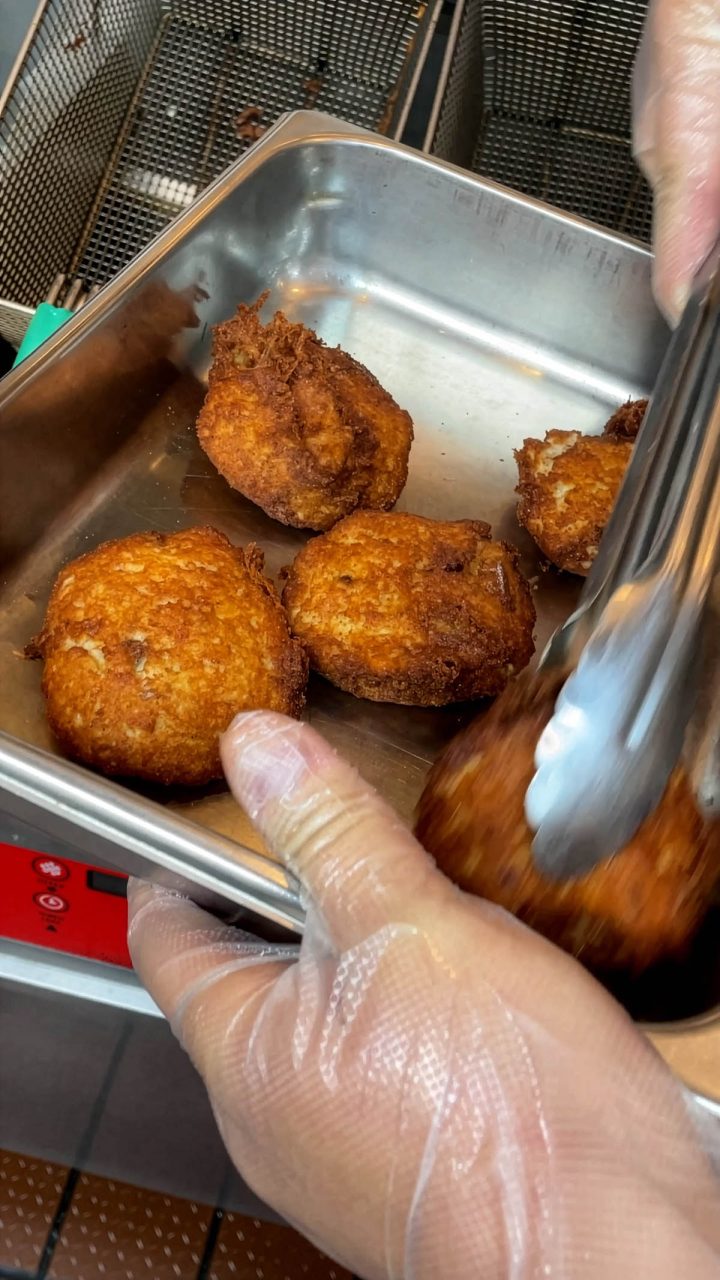
As Kennedy shaped fish cakes for that NC Catch dinner at Basnight’s Lone Cedar Café in Nags Head, her son Jeffery Kennedy stepped in to grab a full tray. He gently laid the plump fish cakes into a deep fryer behind his mother. The pair’s easy cadence made it clear that this was not the first time the family had cooked fish cakes together.
Sizzling in oil, the fish cakes sent up a mouthwatering aroma. As Jeffery lifted the golden-brown disks from the fryer, his mother advised that any leftover fish would do – drum, bluefish, speckled trout, mackerel, whatever was available – whether baked, broiled or boiled. Throughout the process, she repeated how easy fish cakes were to prepare, offering not a hint of how utterly delicious they would be.
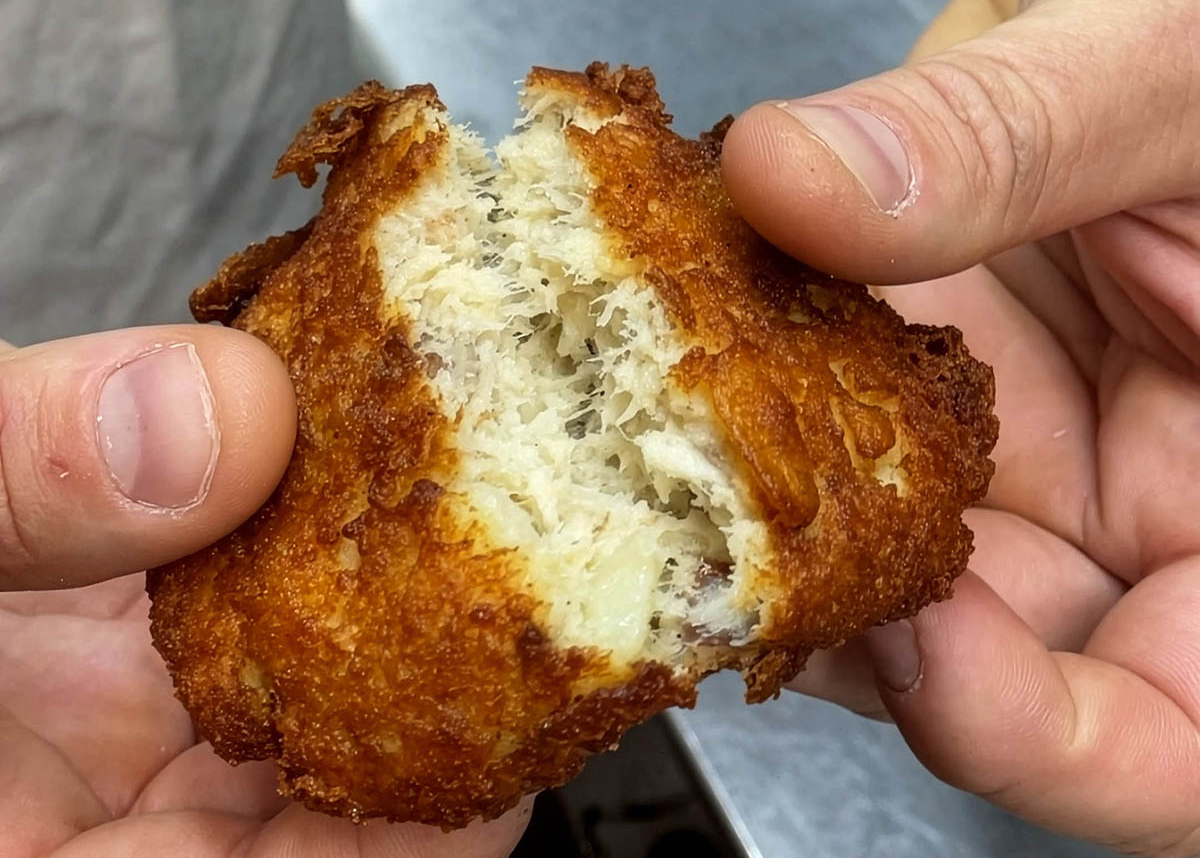
“Show her Jeffery,” Kennedy told her son. He picked up one of the hot patties and split it open with his hands. Inside, flaked white fish mingled with mashed potatoes, sending up a delectable fragrance. Meaty and substantial, the cake somehow maintained a pillowy texture that contrasted beautifully with its crisp exterior. One bite and I wished I could stay on the Outer Banks forever.
Fish Cakes
4 cups of cooked fish
3 cups of mashed potatoes
1 small onion diced or 1/3 cup chopped green onions
2 eggs, beaten
Salt and pepper
Flake fish in a bowl with mashed potatoes, add onions and beaten eggs, season to taste. Shape into small patties. Fry in about ¼-inch (deep) medium hot oil, until nice and brown.
Source: “What’s for Supper” by Sharon Peele Kennedy
Note: Because cooks often rely on leftover fish for fish cakes, the patties are traditionally enjoyed for breakfast. Try them in place of English muffins, use fried eggs instead of poached on top and skip the bacon for a delicious “eggs Benedict.”