Sinking your teeth into a buttery, old-fashioned sweet potato biscuit is a legendary experience quickly fading into North Carolina culinary obscurity despite an almost unbelievable pedigree.
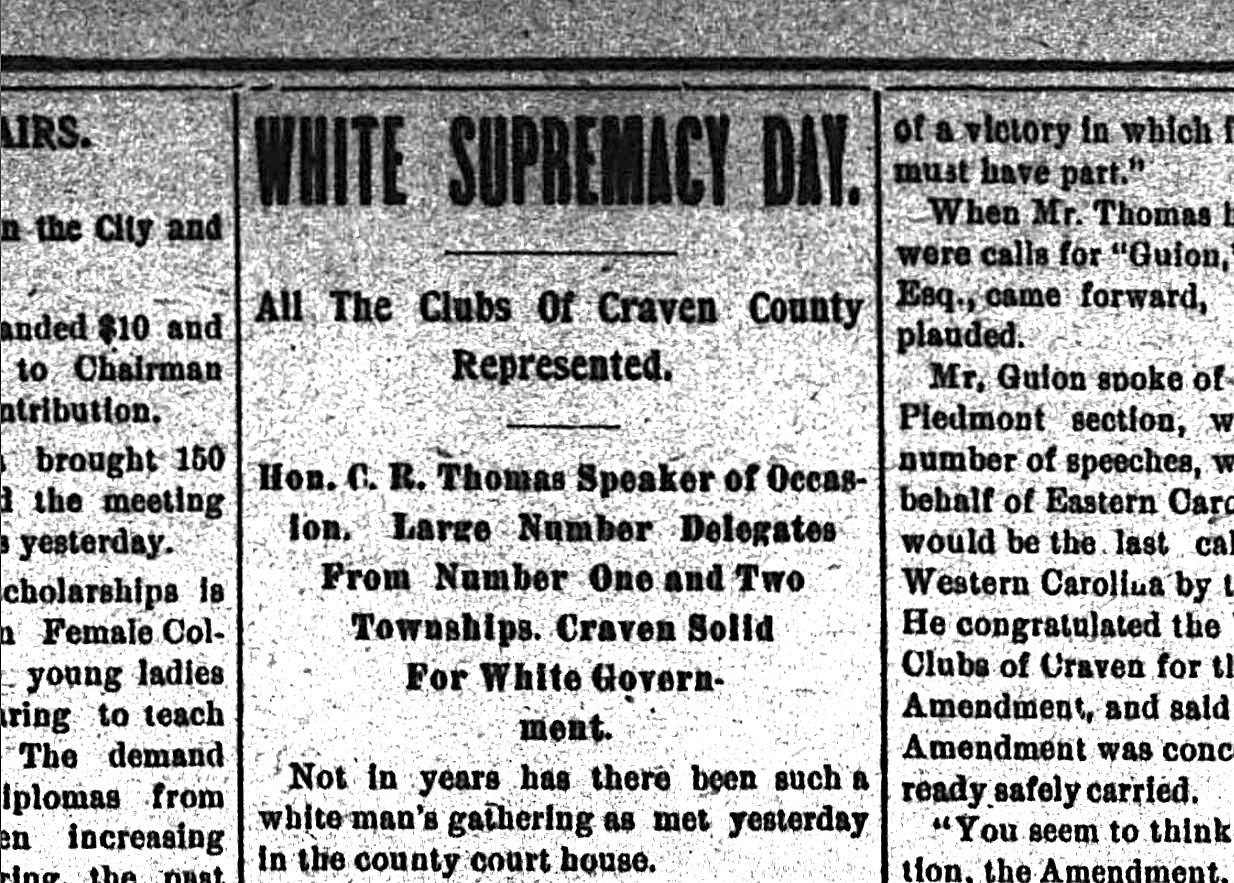
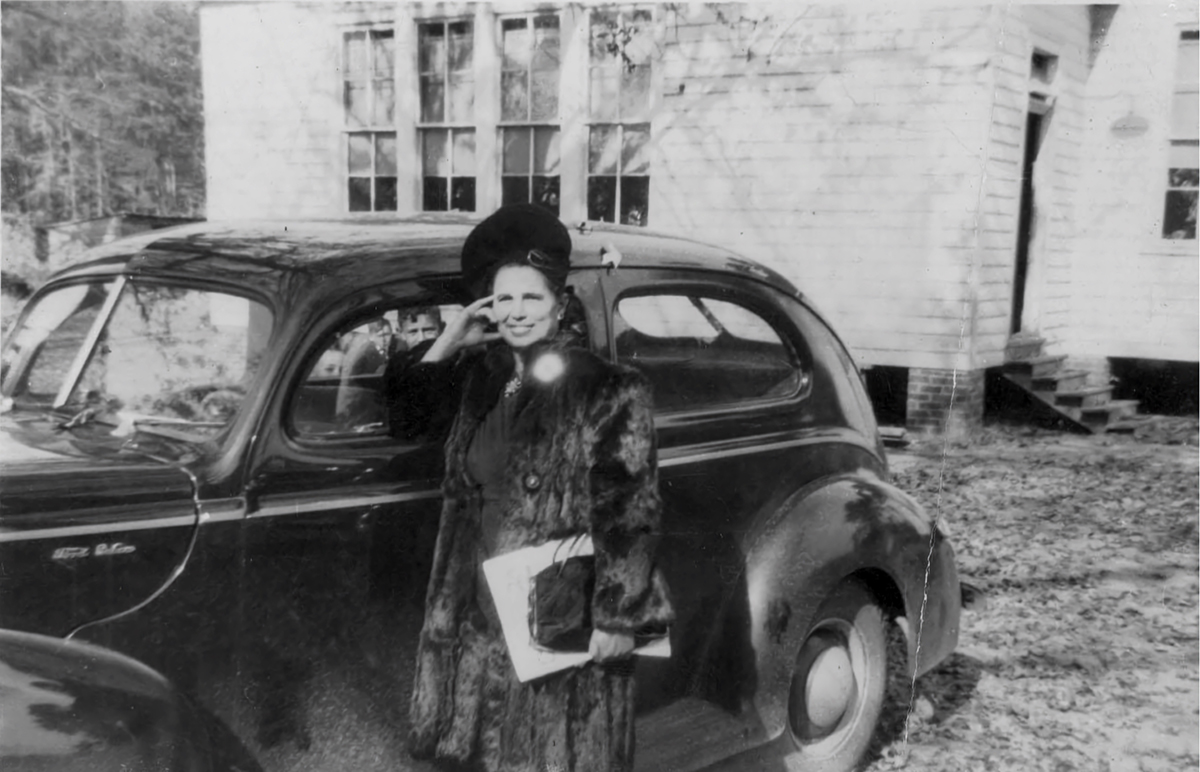
Sweet potato biscuits were reportedly served at the opening of the First Continental Congress in 1774. One hundred and forty-eight years later, the great African American botanist George Washington Carver championed this Southern delight as a crucial way farmers could diversify their crop usage.
Supporter Spotlight
That significant history is now mostly memorialized in memory. East Carolina University alumni long past their college days join locals in pining for the version once served at the late Venter’s Grill in Greenville. Shuttered Sweet Potatoes Restaurant in Winston-Salem was celebrated for a recipe that today endures only in cofounder Stephanie Tyson’s “Well Shut My Mouth” cookbook.
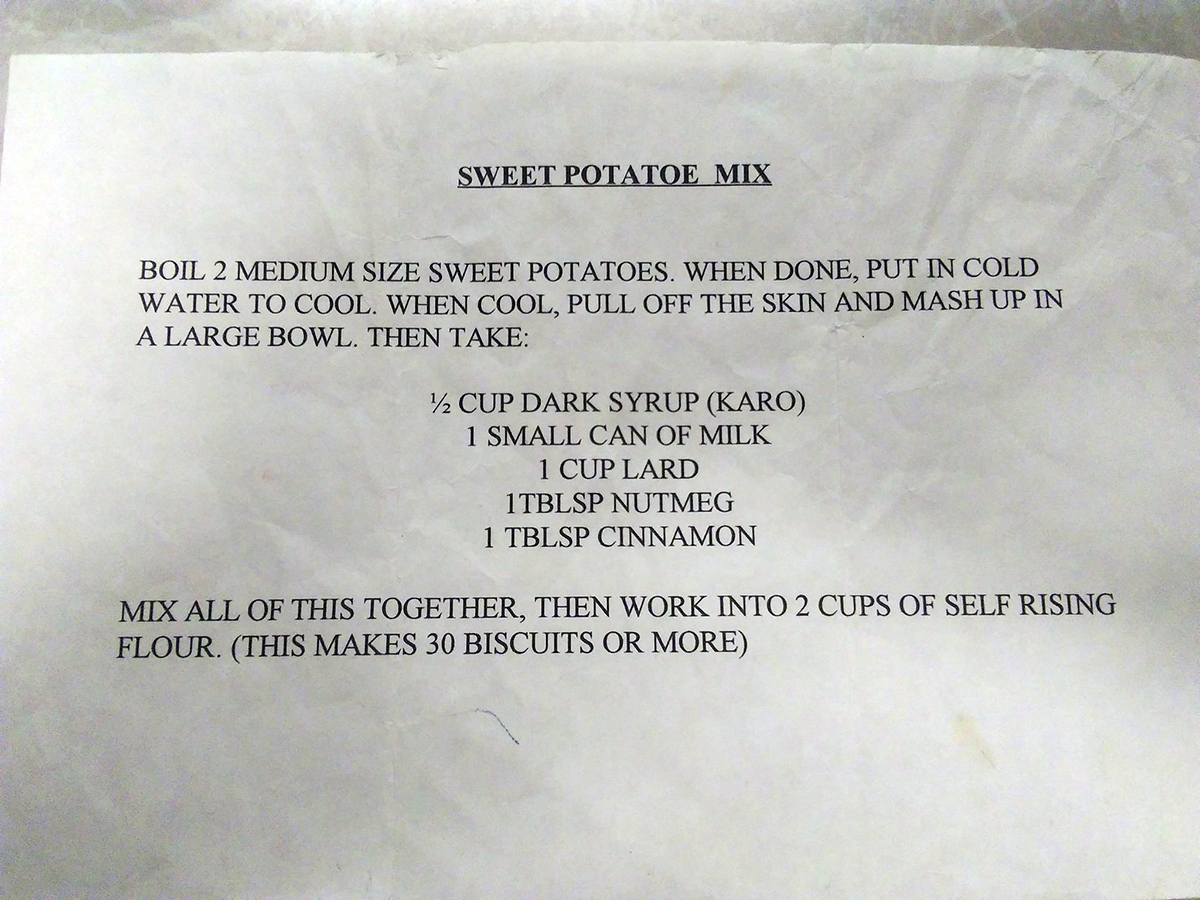
With North Carolina foodways vanishing as quickly as residential sprawl eats up the state’s farmland, sweet potato biscuits are becoming rare finds on menus and in the repertoire of home cooks. But in Camden, it stands as a delicious reminder of why such a simple thing is worth saving.
Beyond nostalgia
On a foggy morning in the tiny, coastal community, dogs bound excitedly through endless farm fields. Ruritan Club signs announcing a Brunswick stew sale dominate political H-stakes stuck along the roadside.
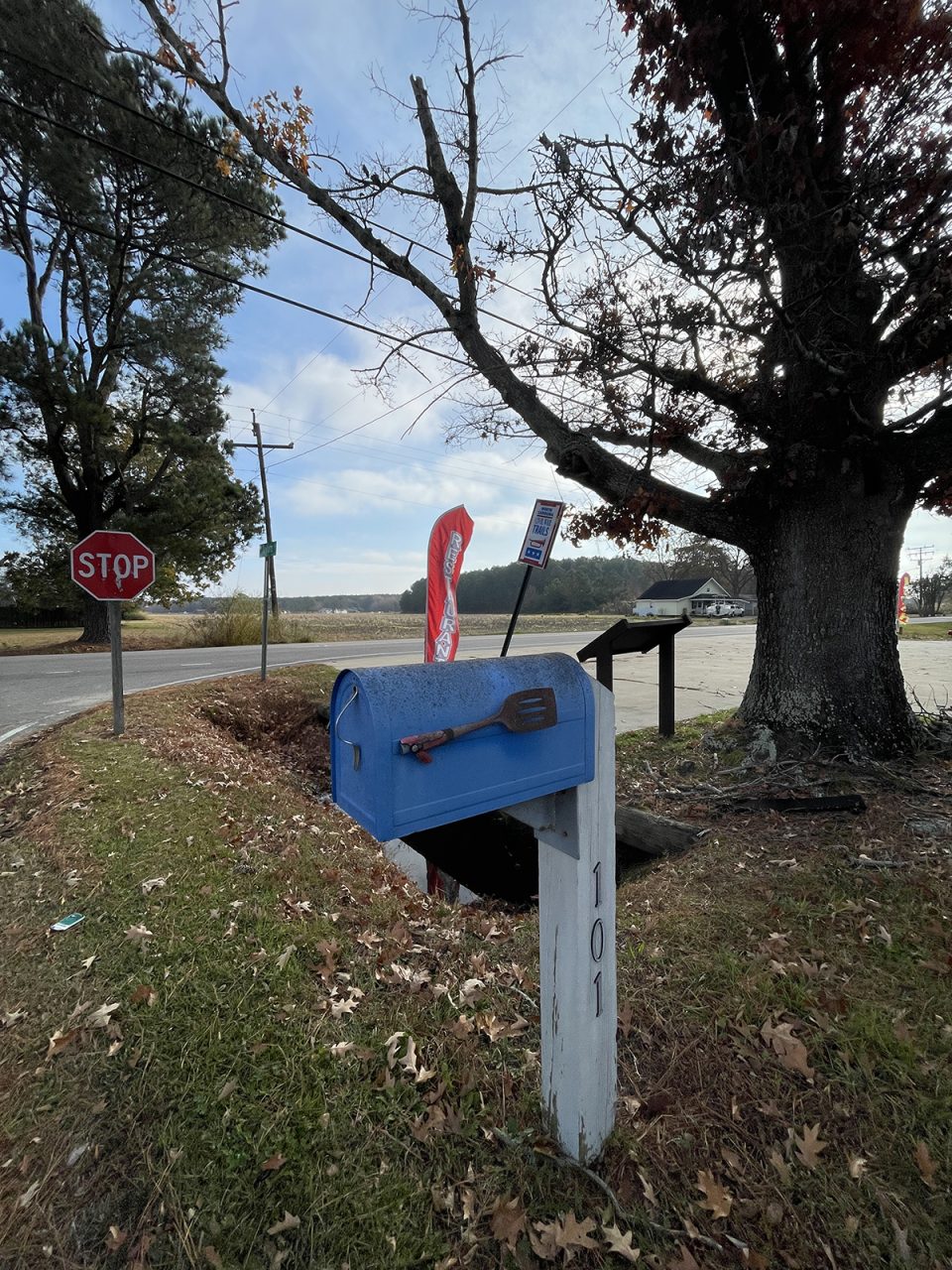
Inside a crossroads restaurant marked by an age-tangled oak tree, the caramelly aroma of roasting sweet potatoes fills the kitchen as chef Katherine “Kat” Silverwood’s wooden rolling pin squeaks across a cold-hard block of pastel-orange dough.
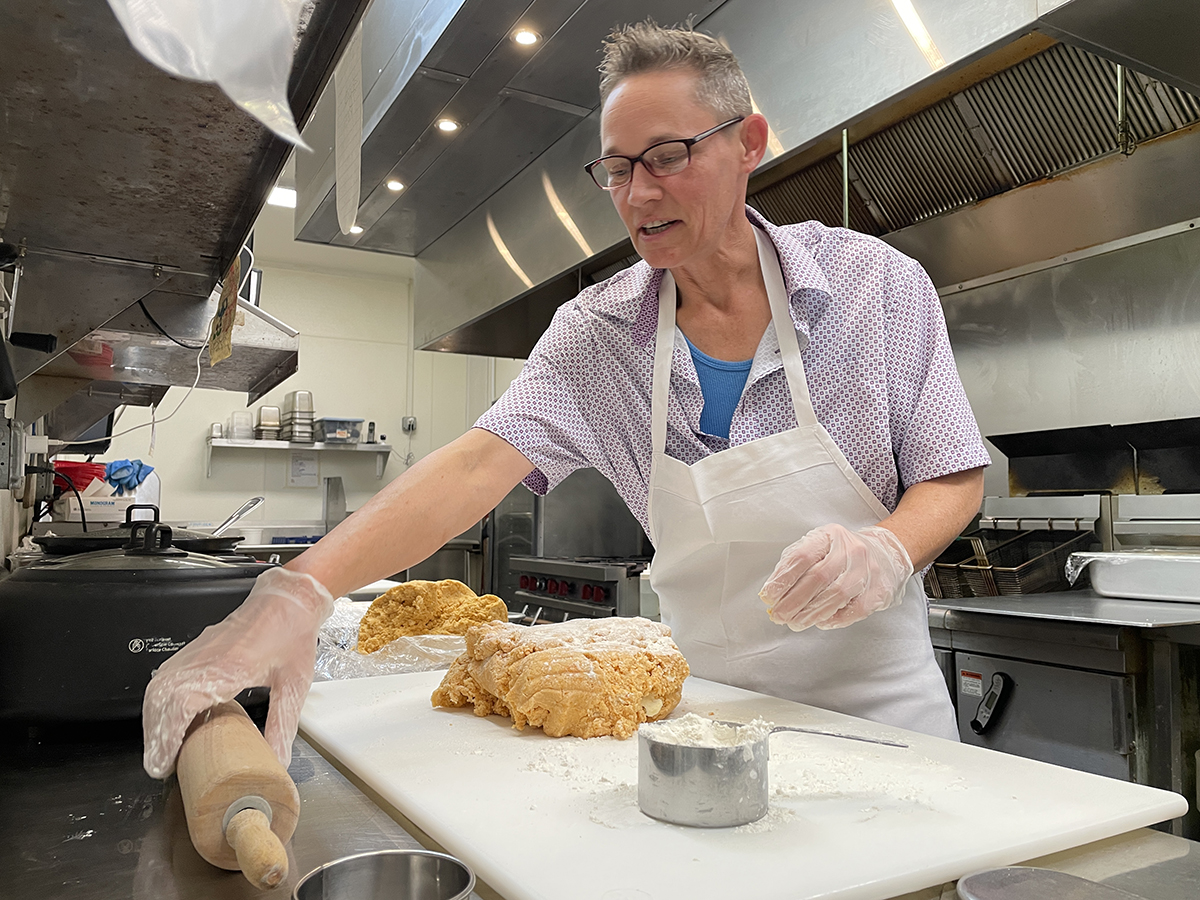
“We found that sweet potato biscuits actually act better if you make the dough day before,” she says. “It’s best to let it chill for at least a few hours.”
Supporter Spotlight

Silverwood knows what she’s talking about. Her Taylor’s Oak Restaurant produces hundreds of sweet potato biscuits each year, especially around Christmastime when fastidious locals, like many North Carolinians, relish fried country ham on their sweet potato biscuits.
“You feed a bunch of old farmers, you better be making something from scratch,” Silverwood said.
That kind of cooking is what the chef grew up on in Camden. Vegetables fresh from her parents’ garden and baking with Grandma launched her interest in cooking as a child.
She never encountered sweet potato biscuits until around age 9 or 10. Her sister was dating and ultimately married a farmer. His mother made sweet potato biscuits. Silverwood was smitten at first bite. Within a year or so, she was baking her own.
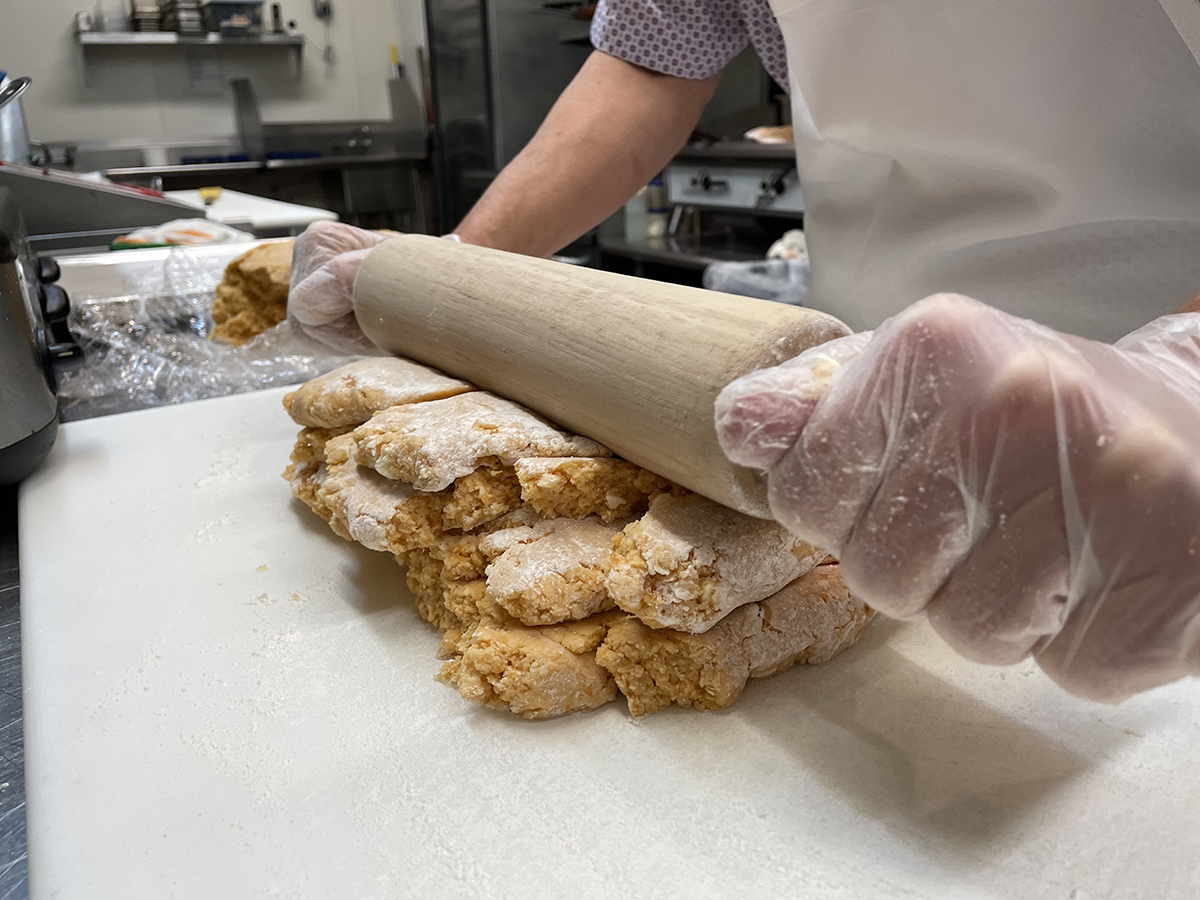
“It’s like that perfect balance of the sweet and the savory,” she said.
As much as Silverwood loved cooking, she didn’t envision it as a worthwhile career. Instead, she joined the military and worked in construction but always had a kitchen side gig. Along the way, she honed her sweet potato biscuit recipe, testing tips from fellow chefs, like folding the dough during rolling to achieve flaky layers.
Eventually, Silverwood accepted her calling, taking a full-time chef position and dreaming of one day opening a restaurant. Her position left time for a night job. She asked the grandfather of a childhood friend if he needed a hand at the family’s new venture, Taylor’s Oak Restaurant. The spot held a special place in Silverwood’s own heritage. Her maternal aunt married into the Taylor family. The couple helped raise Silverwood’s mother after she lost her parents.
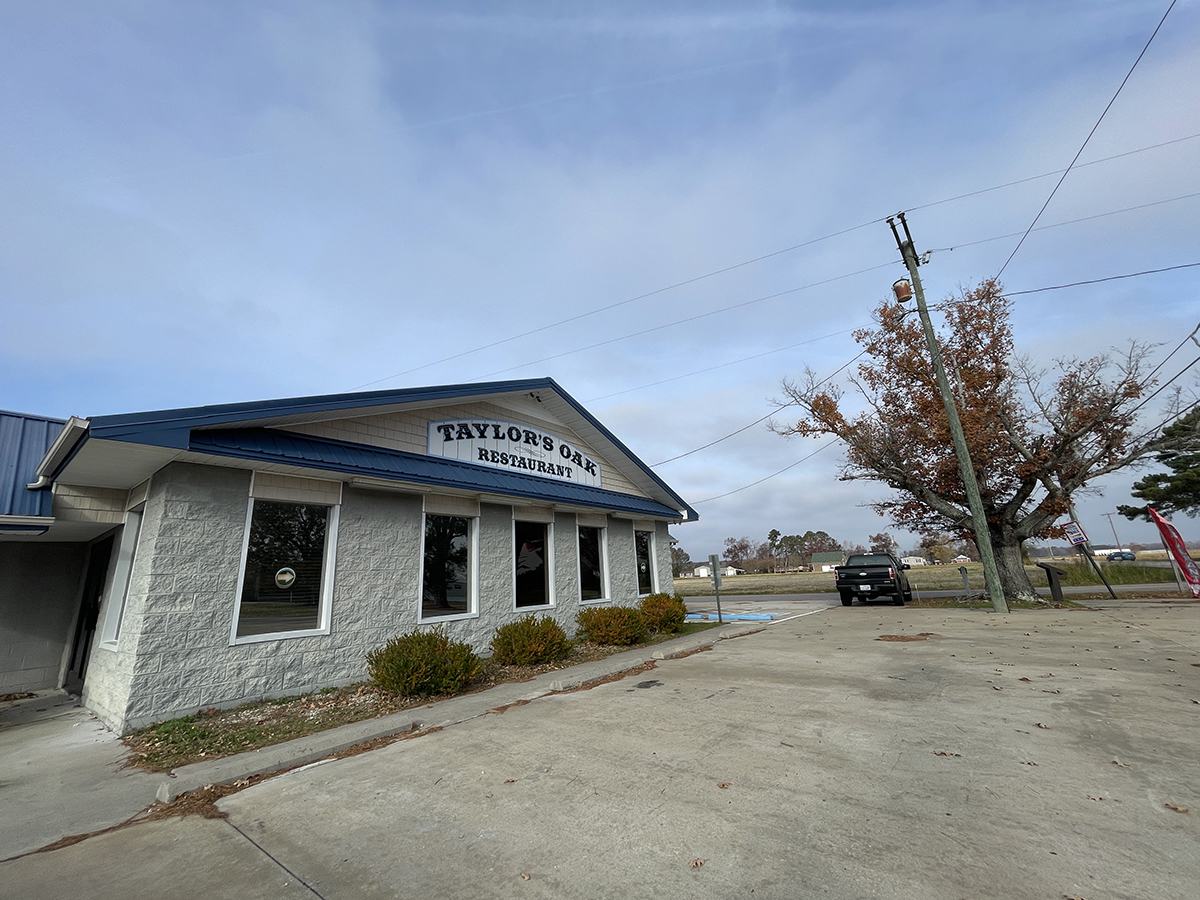
“They were only open one day a week. So, I asked if they would like some help, maybe get open for breakfast in the mornings. And that’s how I started here,” she says. “I wrote the recipe for sweet potato biscuits.”
When Silverwood had the opportunity to purchase the business a few years after starting at Taylor’s in 2018, the chapters of her sweet potato story culminated.
“As soon as we decided we were going to open up for dinner, I was like, ‘We got to have mini sweet potato biscuits go on the tables … that’s our signature,’” Silverwood says.
The perfect bite
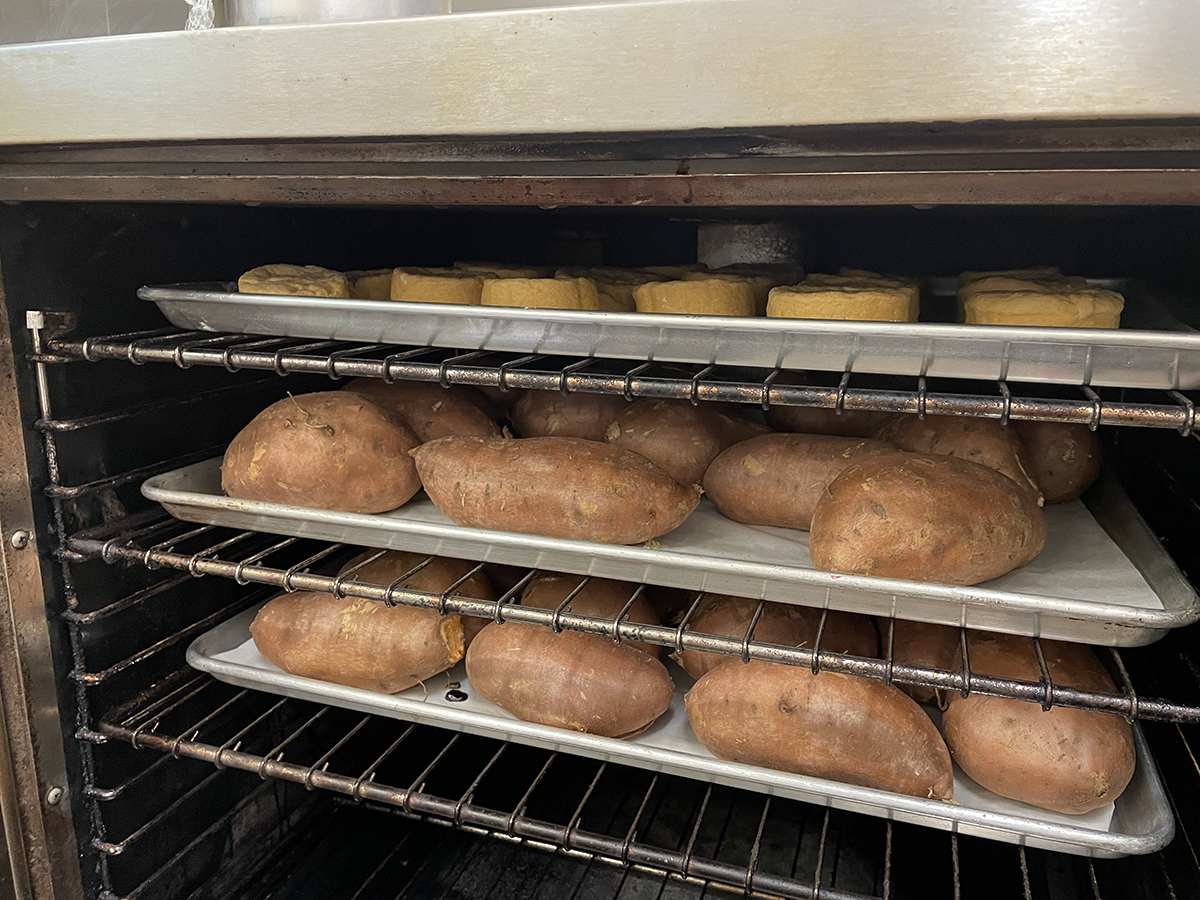
Throughout telling her story, Silverwood shares many pointers for preparing and eating sweet potato biscuits. Besides chilling the dough before rolling, the Taylor’s team pinches cold butter into flour by hand, just like Silverwood was taught as a kid. They roast whole, skin-on sweet potatoes. Boiling would introduce too much moisture. Before mashing, they drain all liquid from the vegetable. Bags of the puree are frozen so that biscuits can be made quickly.
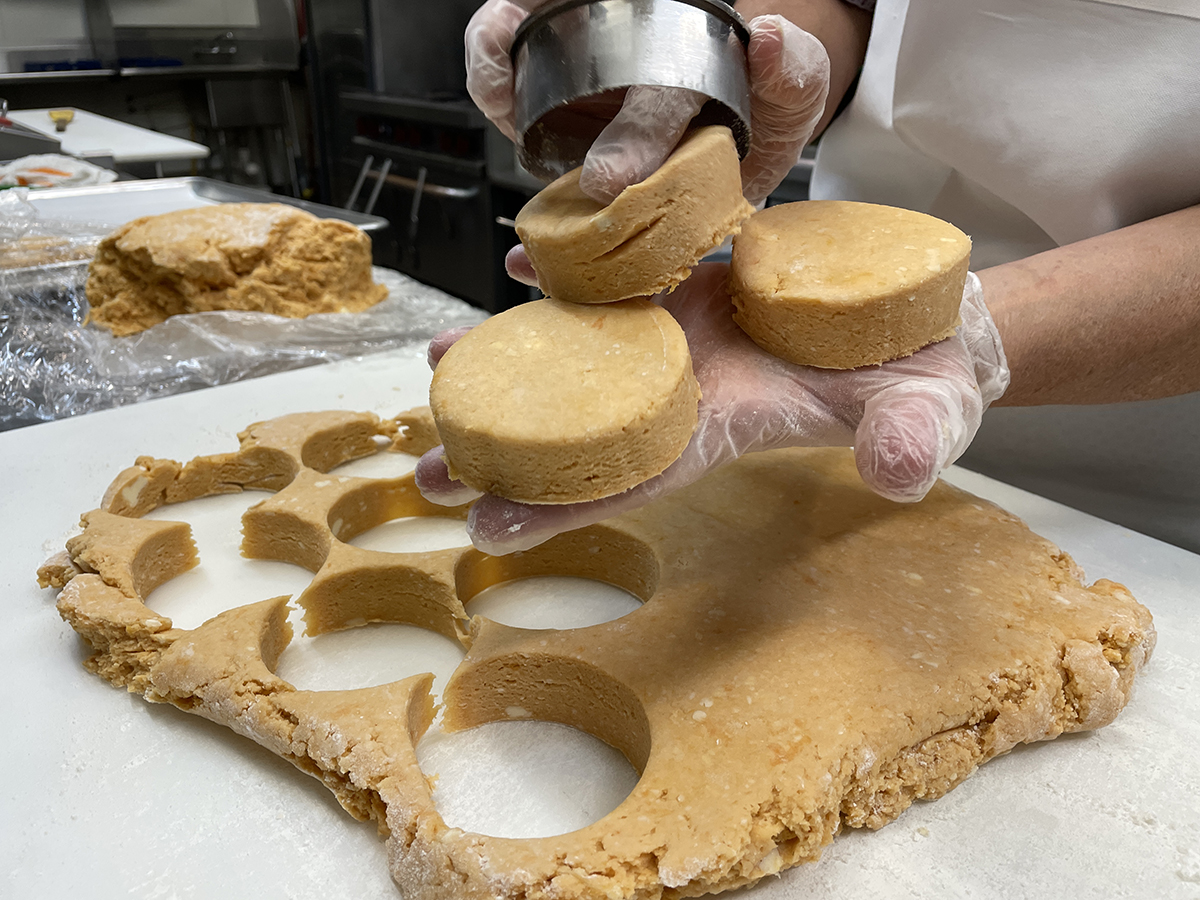
Just enough sugar goes into the dough to enhance the sweet potato flavor. That’s different from recipes like the one Venters’ chefs used all those years ago in Greenville. Silverwood’s biscuits are flaky and savory; Venters’ were soft, sweet and pillowy with pronounced notes of warm spices like cinnamon. The recipe for Sweet Potatoes Restaurant’s version falls somewhere in between.
“Everyone has their own different ‘you got to do it this way, you got to do it that way,’” Silverwood says, declining to share the family recipe that inspired her way.
Carver’s formula, among the earliest, verifiable printed recipes, leans soft and savory. Although the biscuits served at the First Continental Congress have been attributed to Thomas Jefferson, no original recipe has been found. Any biscuit recipe Jefferson favored was likely developed in kitchens run by enslaved Africans. This is also true for the sweet and salty combination of fried country ham sandwiched between a sweet potato biscuit.
Silverwood prefers less salty city ham rather than country ham. A slice of New Jersey’s Taylor pork roll (no relation) is even better, she reveals. Sausage plus a little mustard is tasty, too, as was the sandwich she offered with pimento cheese and spicy fried chicken.
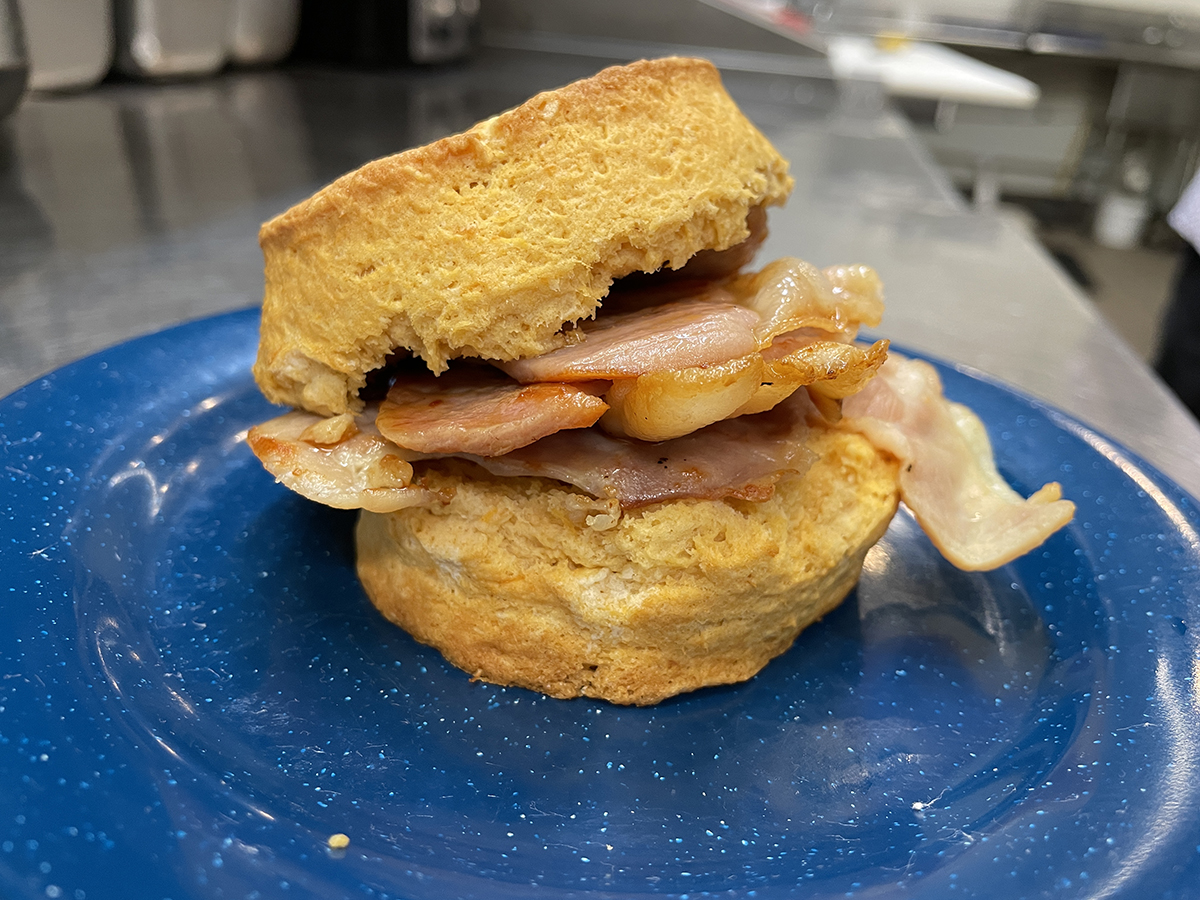
Still, most Taylor’s Oak Restaurant customers ask for country ham. It’s easy to understand why when Silverwood finally splits open a hot sweet potato biscuit and lays on sizzling country ham directly from the griddle.
The hot ham melds with the biscuit’s interior, creating an almost creamy texture and old-fashioned flavor that fills your mind with memories of home, family and holiday anticipation. Suddenly, you’re wrapped in thoughts of icy mornings, coffee boiling on an old stove and the simple life you wonder why anyone would leave behind.
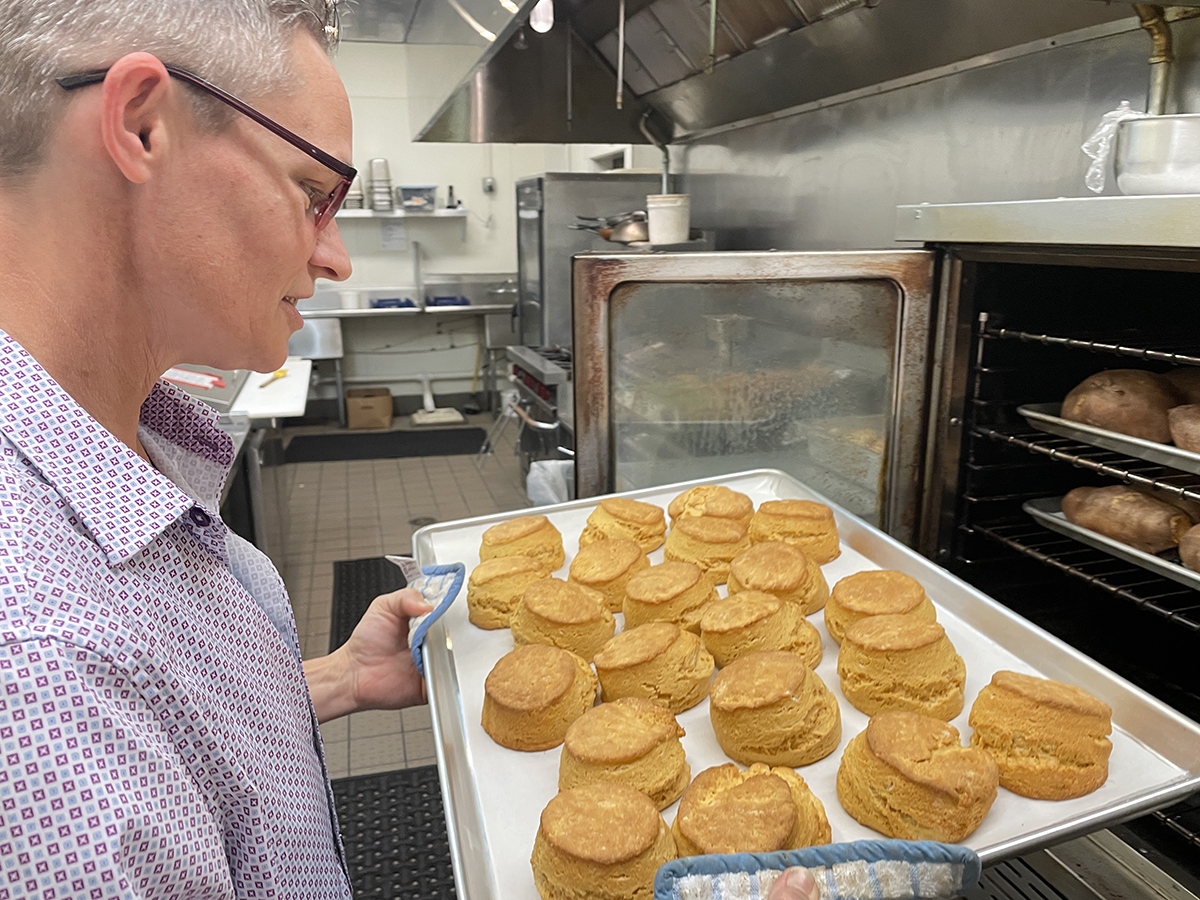
“I’ve had a couple people almost bring me to tears because they said ‘That’s just how my grandma used to make it taste,” Silverwood says, “‘exactly like that.’”
With each humble bite, the sweet potato biscuit becomes more than a meal; it is a profound, lasting link between generations. It is the legacy of a waning recipe that fatefully defined one woman’s life and continues, every day in Camden, to feed the soul of an entire community.
Sweet Potato Biscuits
Take:
½ cupful mashed sweet potatoes
½ teaspoon salt
1 cupful flour
4 teaspoons baking powder
2 tablespoons butter or lard
Milk sufficient to make a soft dough.
Sift the flour, salt and baking powder together several times; add these to the potatoes, mixing in with a knife.
Now work the fat into the mixture lightly; add the milk; work quickly and lightly until a soft dough is formed; turn out on a floured board; pat and roll out lightly until about one-half inch thick; cut into biscuits; place on buttered or greased pans and bake 12 or 15 minutes in a quick oven.
Source: “How the Farmer Can Save His Sweet Potatoes and Ways of Preparing Them for the Table” by George Washington Carver (Tuskegee Institute Press 1937).