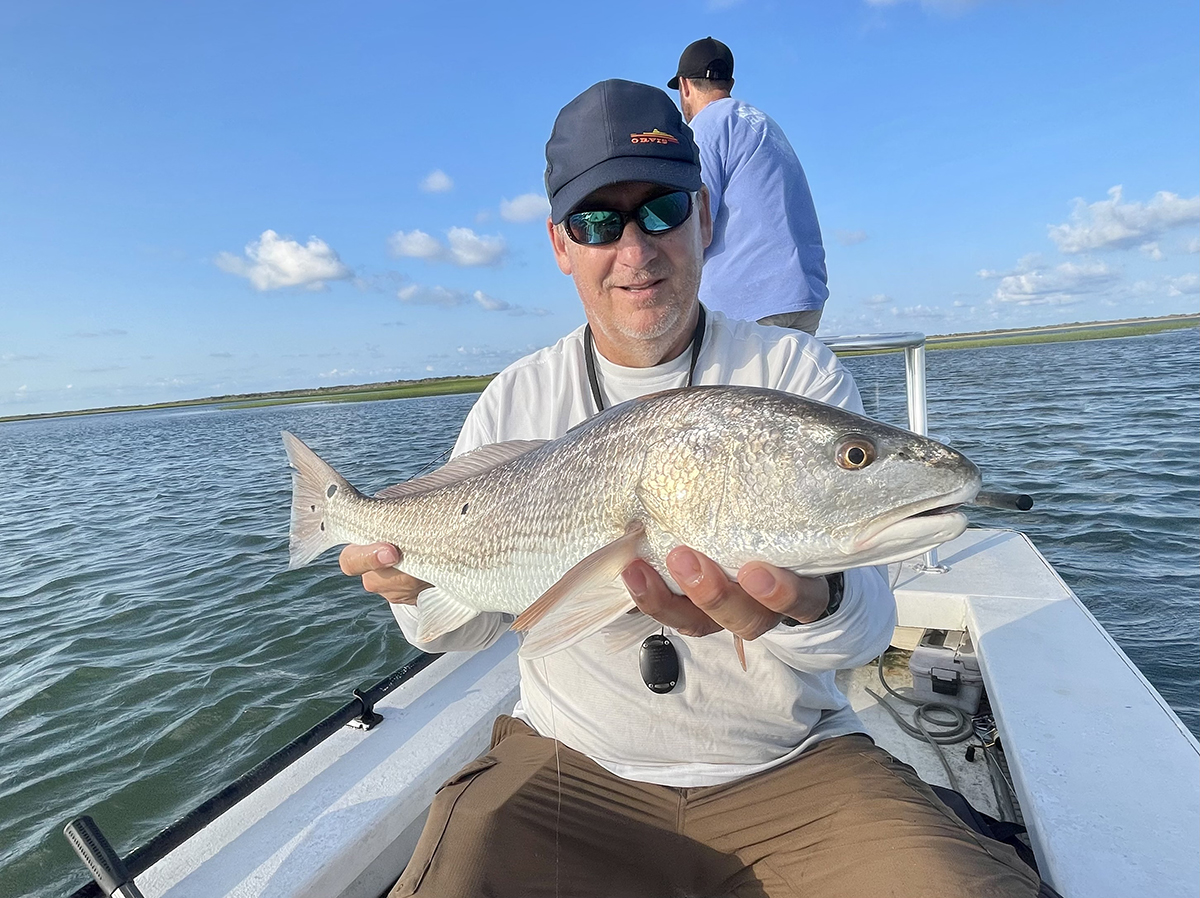
Spring is getting ready to jump out at us, and with it some pretty great fishing.
Shakespeare said the season puts, “A spirit of youth in everything.”
Supporter Spotlight
The inimitable Robin Williams said, “Spring is nature’s way of saying Let’s Party!”
So, it is then that we should be celebrating by getting out there for some of the best fishing in the Eastern U.S. For our purposes, we are going to be talking about March, April and May. February is a bit too early, even though it will sometimes fool us. June really starts to feel like true summer around here, and actually there have been some years when spring was over by mid-May.
It can be fleeting, so we must move fast. Sometimes that means dropping everything and getting to where the action is right away.
The first harbinger of spring is the riverine run of shad in our coastal rivers. Actually, the use of the word “harbinger” in this case is a common cliché. My editor tells me to avoid clichés like the plague, so I’m not going to do it, even though that’s what it is.
There are numerous river systems that host runs of both hickory and American shad. Both are a lot of fun. They put up a spirited fight with tarpon-like jumps. Americans are much bigger and stronger, and they have been called “The First Fish” by people who know about these things. These shad supported communities and got their health up just as things were getting bleak at the end of winter.
Supporter Spotlight

Popular shad fisheries exist in Contentnea Creek in Vanceboro, the Tar River in Greenville and upstream, and the Roanoke River, which hosts the largest numbers. Get some shad darts, which are just small jigs, and find a place to get to the water starting in the second week of March.
Probably the most popular spot in the whole state is the boat launch area in Weldon. It’s right at the falls and thousands of fish end up there. Bonus if you have a johnboat. Careful of the water levels. Small boats and big water don’t mix well.
Check out the water level gauges on the Dominion Power website.
Something I have covered before is the speckled trout action in downstream coastal creeks that are attached to larger rivers, such as ones connected to the Neuse, New, and Cape Fear. Trout will start to get active in these areas throughout March. In fact, they will have been in many creeks throughout winter. You just have to be able to deal with the cold. We’ve talked about that before too. But in March we’ll see more consistent action in these bodies of water. As the weather improves, they’ll be there more often.
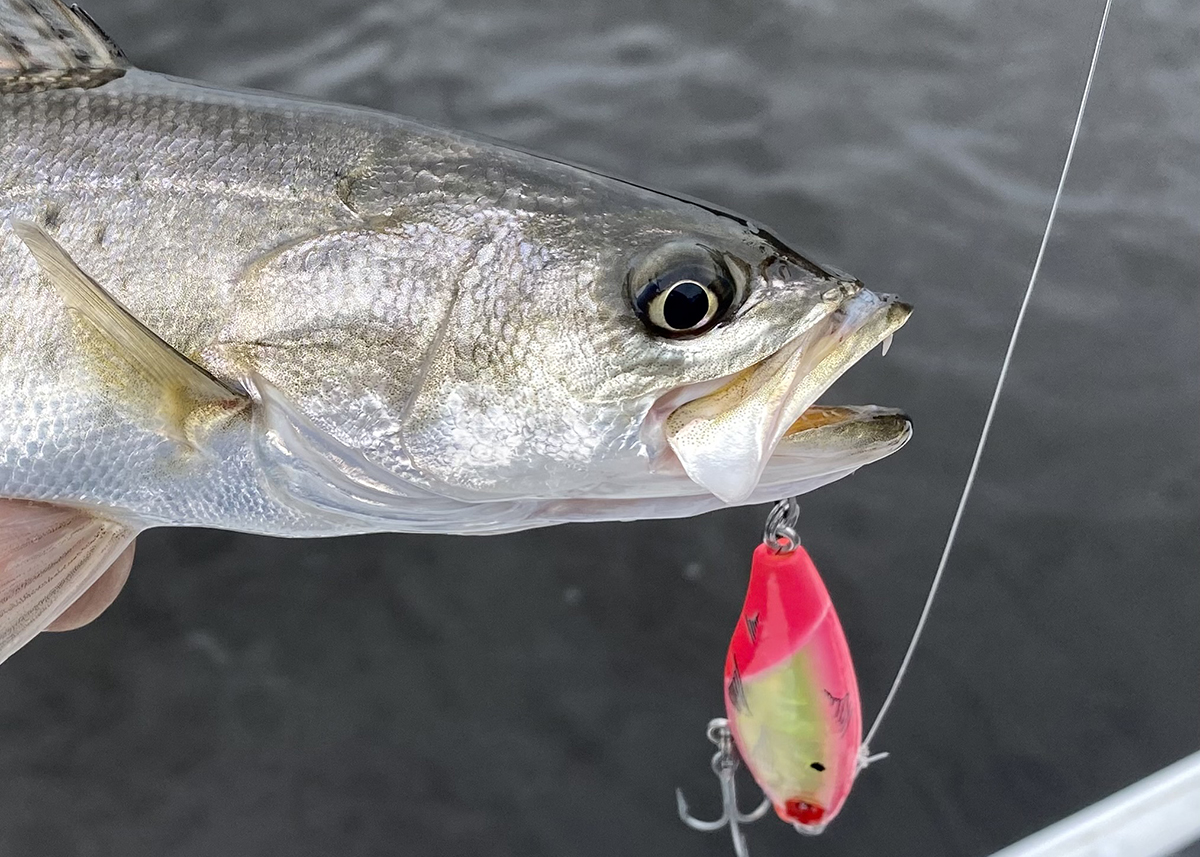
The biggest fish will move in and out from the main rivers. Be there on the right day and you could get a look at speckled trout bigger than you’ve ever seen.
Along areas closer to the ocean, things will start to pick up in April. The southwest breeze during this period is the key. This flow leads to warm water. When coastal waters start to get above 62 degrees, bluefish will show up near shore. Mostly, these will be smaller fish, but at times really massive fish will make an appearance.
Don’t ask when it will happen. It’s just one of those times when, if you’re there, you’ll be the one telling me about it.
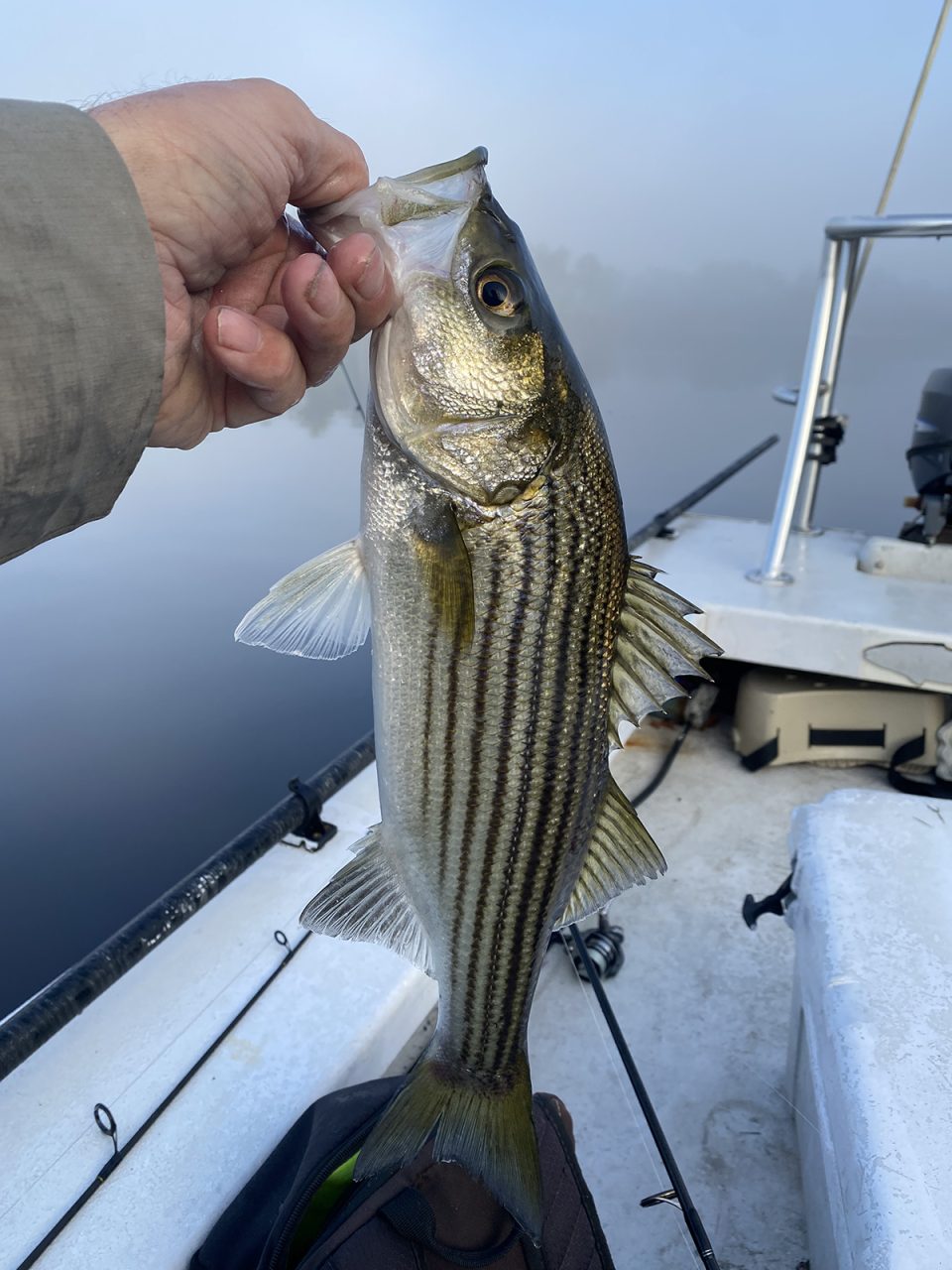
River fishing for shad will reach a peak early in April and then slack off. This will be in prelude to striped bass taking over. The first captures will take place well downstream of rocks at the falls line. Toward the late to middle of the month, they’ll begin to be caught up by popular areas. Again, the most consistent fishing will be at Weldon. Loads of stripers will be caught on live shad.
Good speck action will continue through April. This is primetime for slow-falling hard plugs such as Mirrolures. Trout will consistently be in these creeks in April. It can be quite good for both numbers and size.
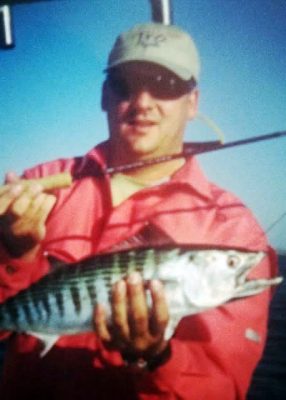
Coastal waters will see an explosion of activity in May. As well as the aforementioned blues, as the water warms through the 60s, be ready for Atlantic bonito to rampage through. The magic number is 65 degrees. Be ready to up and go. It doesn’t last long. We will normally get about three to four weeks. Sometimes more (And other times less, of course).
The appearance of Spanish mackerel usually heralds the end of bonito action. But if you’re out there on the day they come blasting into town, you might see some great stuff. I’ve seen the whole beach covered with diving birds from one inlet to the next. All the usual tactics are good when that happens. Casting with small spoons and jigs is my favorite.
The first two or three weeks of May are when the absolutely best action occurs on the Roanoke River. Striped bass will put on a show. Fish early and late with single-hook-rigged surface lures such as Zara Spooks and Pop-r-s. They will try to kill them. I mean literally. They smack them with their tails, use their dorsal spines, and of course try to eat them.
The striped bass spawn is approaching, which takes place in very fecund waters. In order to counter this abundance of life, striped bass kill the eggs of predator species like sunfish, catfish, and carp as fast as they can. So when you cast a topwater plug into the Roanoke during striper spawning season, they will hit it with the spines on their backs, anal spines, and tails, in order to kill the enemy. It can be amazing when you’re there in early May.
Again, this happens fast. If you’re there when it happens, it’s amazing. If you’re there when it’s done, you’ve missed it. You’ve got to be quick.
Big trout numbers can vary in May until it seems they’re gone. But they’re not. They will move to bigger bodies of water and be moving faster. By May, you have to cover a lot of water fast. Grass flats and humps in more open areas are good to cover with topwater jigs. True bonus will be the red drum that get mixed with them and stay around the rest of the summer.
Have I covered everything that spring offers? Definitely not. Don’t even get me started on purely freshwater stuff. That’s another whole book. But if there’s not enough here to keep you busy, there’s offshore opportunities, bottom fishing and just enough surprises to keep even an old hand guessing.