Presented in cooperation with the Pea Island Cookhouse Museum on Roanoke Island.
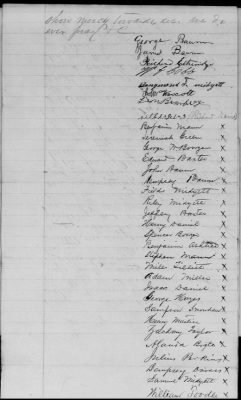
Of the many documents associated with the Freedmen’s Colony on Roanoke Island, a letter signed by Richard Etheridge and eight others, and with 58 other names shown, each marked with an “X”, is particularly important.
Supporter Spotlight
The undated letter, received on Dec. 25, 1867, is noted by the academic and author, Patricia Click in her scholarly book about the colony, “A Time Full of Trial.”
There will be two opportunities to visit the Pea Island Cookhouse Museum Feb. 28, from 10 a.m. – noon, or 1 p.m. – 3 p.m. During each, at 11 a.m. and 2 p.m., the latest version of our short video, “A Checkered Past: The Story of Keeper Richard Etheridge and the Pea Island Lifesavers” will be shown. This 15-minute video, based on two events held during Black History Month in 2023, was recently revised to include additional information about our organization. It features Pea Island Preservation Society Inc. board members, youth volunteers, and descendants of the Pea Island lifesavers who were interviewed.
For our organization, Black History Month is a reflective time, and especially to think about the Freedmen’s Colony on Roanoke Island and the U.S Life-Saving Service (and later, the early U.S. Coast Guard station) at Pea Island. Both are important to fully understand the history of the Outer Banks.

Keeper Richard Etheridge, who grew up enslaved on Roanoke Island, is perhaps most known for his leadership and the legacy associated with the Pea Island station. Following his death in May 1900, the station remained staffed primarily with Black surfman crews until it was deactivated in March 1947 and officially decommissioned two years later.
Etheridge’s association with two letters about the Freedmen’s Colony are not as well known. The first is a letter he co-authored in 1865 with a fellow solider, William Benson, protesting the mistreatment of those left behind at the Freedmen’s Colony. A framed typed version of it hangs at the Cookhouse.
The second letter, a photo of one page included here, shows Etheridge’s signature and eight others. This page is one of two signature pages that accompanied the undated letter. The full letter includes the names of fifty-eight men with an “X’’ mark, a practice used to indicate a person was illiterate.
Supporter Spotlight

Often when the Freedmen’s Colony story is told what many focus on are the several missionary teachers who arrived from the North and the sawmill provided to build 500 small homes, each with a small portion of land to raise crops. Also frequently mentioned are the churches and schools freedmen also helped to build to have their own places to worship and be educated.
This undated letter reminds us of another important, yet unfortunately often overlooked part of the story – that in the end thousands who came to the Roanoke Island colony and other Freedmen’s Bureau locations established during the Civil War were ordered to leave – sometimes forcefully, and sometimes cruelly and even brutally.
On Feb. 28, during the morning and afternoon, the Cookhouse Museum will be open to visitors. This year Cathy Steever a researcher and friend to our organization will join us. Cathy has been uncovering the remarkable story of the Freedmen’s Colony on Roanoke Island for several years. She is especially drawn to the colony’s everyday realities — work, schooling, housing, faith resilience and hard choices families faced during and after the war. Lately, she and I have been collaborating on research findings, especially the stories that best reflect the challenges and difficulties those who lived on the Freedmen’s Colony faced, and lesser known stories.
The complete undated letter will be read and interpreted on Feb. 28. The noted letter portrays what life was like for the freedmen and their objections to being forced to leave.
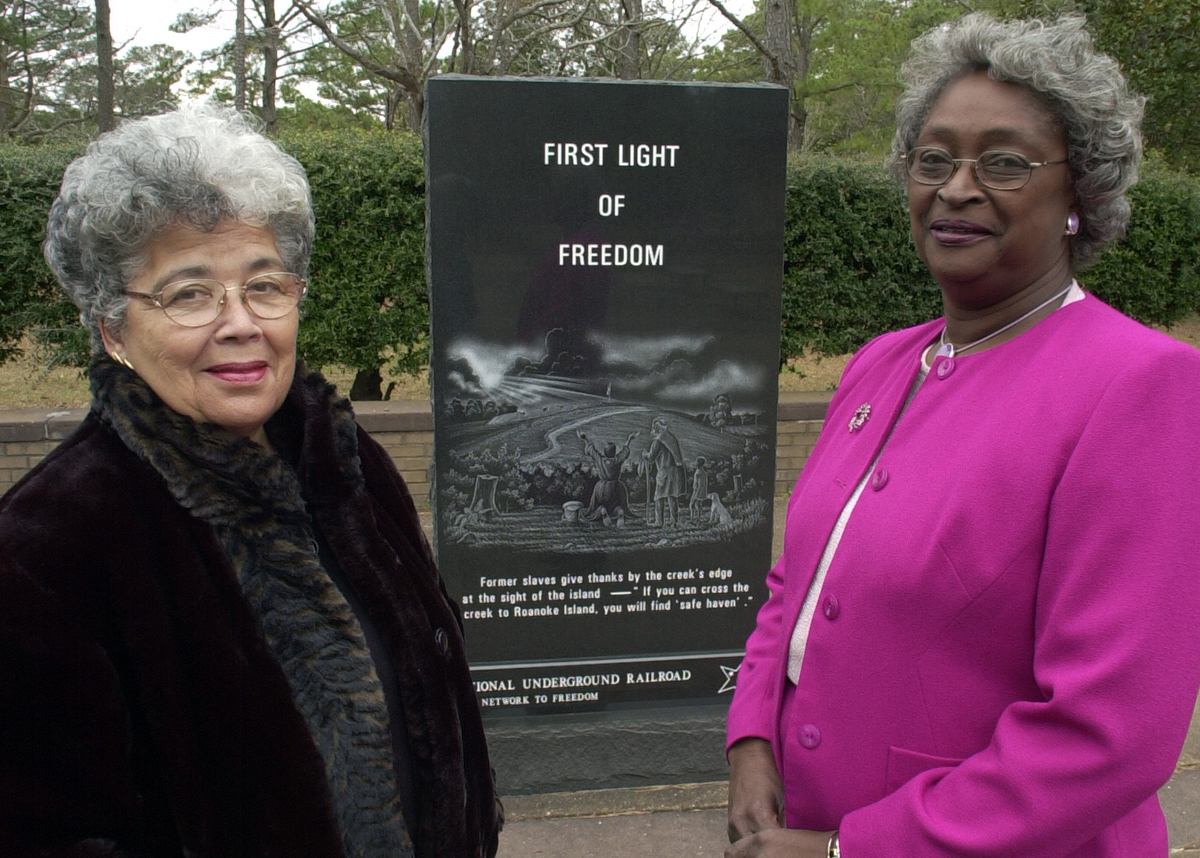
Those who had hoped to see the “First Light of Freedom” as the memorial at the Fort Raleigh site reads, pleads for a short extension of time to stay and for leniency “having been thrown out without shelter” as the noted letter received on Christmas Day in 1867 reveals.
Given the small size of the Cookhouse, those interested in visiting are requested to RSVP indicating if the morning or the afternoon session is preferred. Those who have a special connection or interest in this history are especially encouraged to come. Those who plan to visit are also requested to RSVP us at: friends@peaislandpreservationsociety.com. Given the small size of the Cookhouse, RSVP’s are requested soon so we can plan accordingly.
‘Cookhouse Chats’
As director of outreach and education, I am also pleased to announce this special opening on Feb. 28 is also the start of PIPSI’s latest initiative, “Cookhouse Chats”. These selected chats will focus on less known or newly discovered stories as well as potential future collaborations with interested parties.
The next planned chat, one about research findings pertaining to “checkerboard crews,” or mixed-race crews, will be announced in the spring.
Presently, by email request the Cookhouse is “open by appointment only” preferably for group visits and special events.