You might not have noticed, but the pine trees seem to have been in overdrive the last few years, throwing out pollen like they’re dishing out revenge for every one of their brethren that’s been cut down. Ever.
We all know pollen season is coming when the loblolly pines (Pinus taeda) turn vibrantly green, standing out like the Jolly Green Giant outlined against a cerulean sky. Then they get the yellow candles on the ends of their branches, which some people say look like crosses. Personally, I think they look more like a vampire-warding motion.
Supporter Spotlight
“Back! Back,” I say! “Get thee gone, thou foul spawn of Satan!”
One day, you’ll be standing at your kitchen window, washing dishes and minding your own business, enjoying seeing things beginning to green up. Maybe a few early flowers have popped here and there, the cheery yellow of daffodils, or the pinks and purples and blues of hyacinths. A splash of purple where some grape hyacinths are poking their stack of miniature-cannonball-looking, pyramidal heads out. A bit of fragrant jasmine draped over the myrkle bushes.
Then comes the squint and head tilt. “Wow. It’s really hazy out today!” Haze isn’t that unusual around here. Maybe it’s a fog bank moving in off the ocean. Again, not that unusual.
Another squint, and a head tilt in the other direction. A grimace.
“Maybe my windows are just really, really dirty.”
Supporter Spotlight

Again, nothing unusual. The way the never-ending wind blows around here, dust is almost as much a factor as during the Dust Bowl. Add in some heavy dews and a fuzz of mildew … and how does that stuff stick to something as slick and impenetrable as glass?
A gust of wind, another cloud of sulfur yellow, and you realize … it’s not haze. It’s not dust. It’s not even merely windows severely in need of some Windex and elbow grease. Nope, this year’s Pollen-palooza has descended.
Like marauding army ants — those in the jungle that swarm over everything in their path, leaving nothing but destruction and desolation in their wake — the pollen drifts and blows.
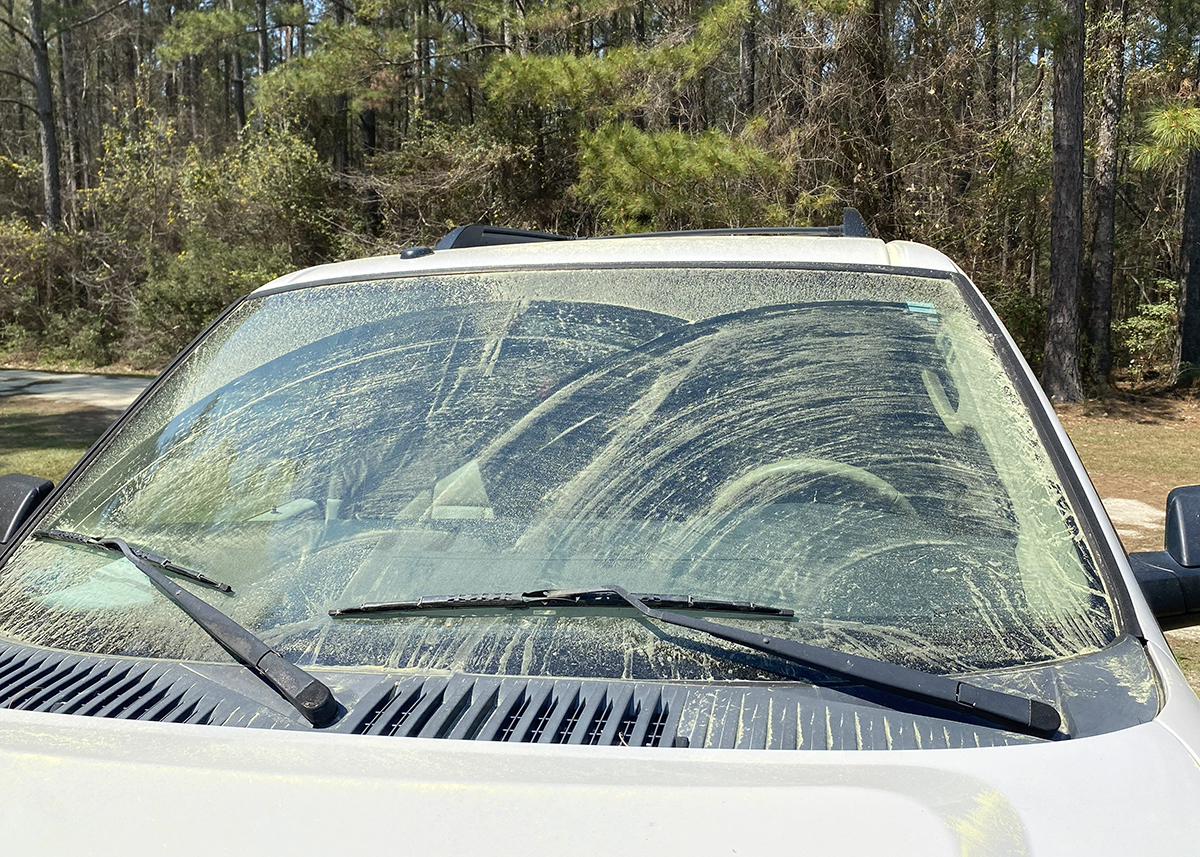
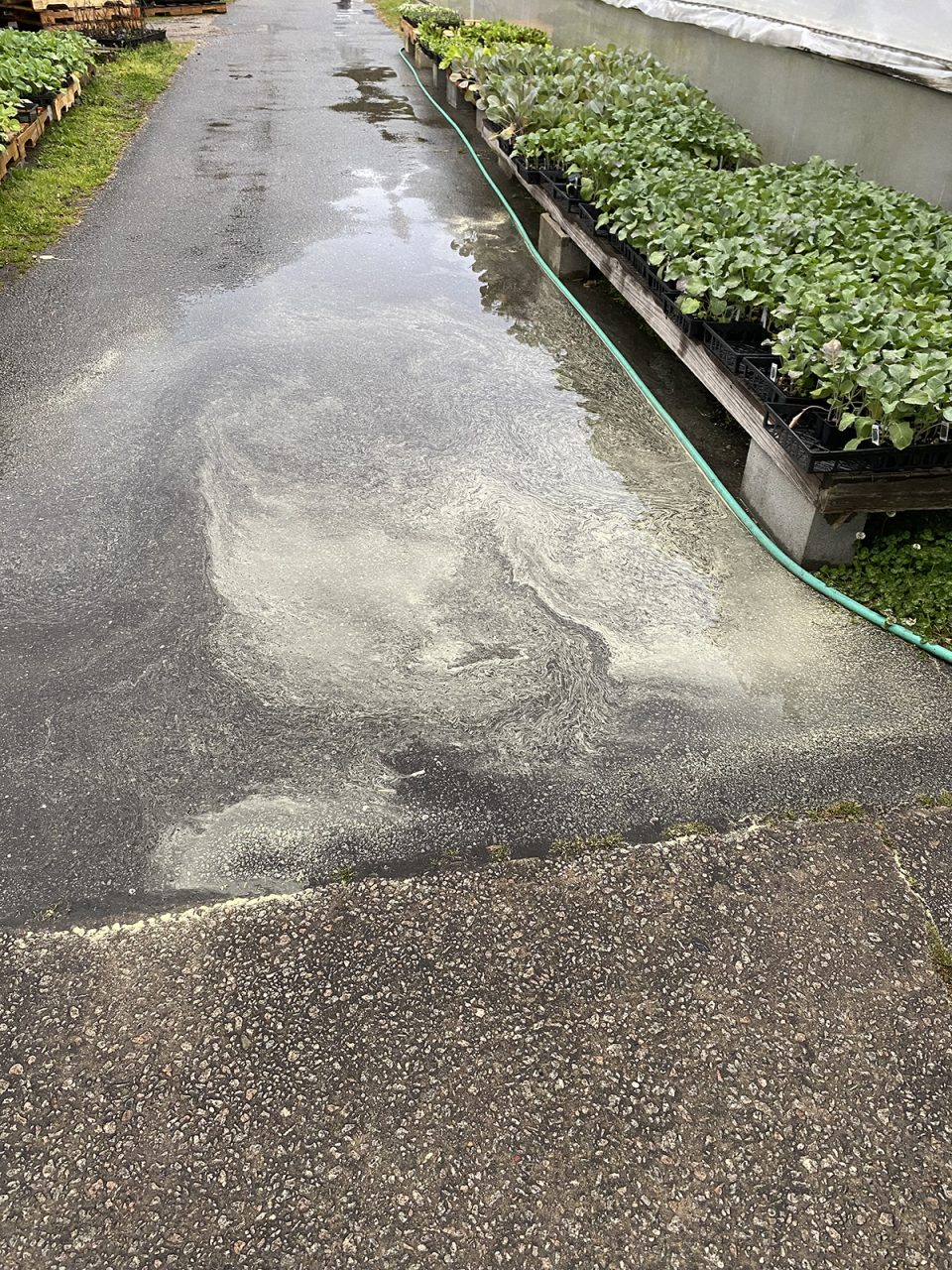
Your newly applied windshield tint wouldn’t pass inspection, not even if you slipped the mechanic a hefty tip and paid the fine. Activating the windshield-washer fluid and the windshield wipers results in yellow sludge drooling down the sides of your windshield like somebody christened your car with a bottle of Karo syrup.
Whatever color vehicle you have, it’s either become snot green or looks like the primer gray and rust have been awaiting paint so long they’ve faded to a noncolor.
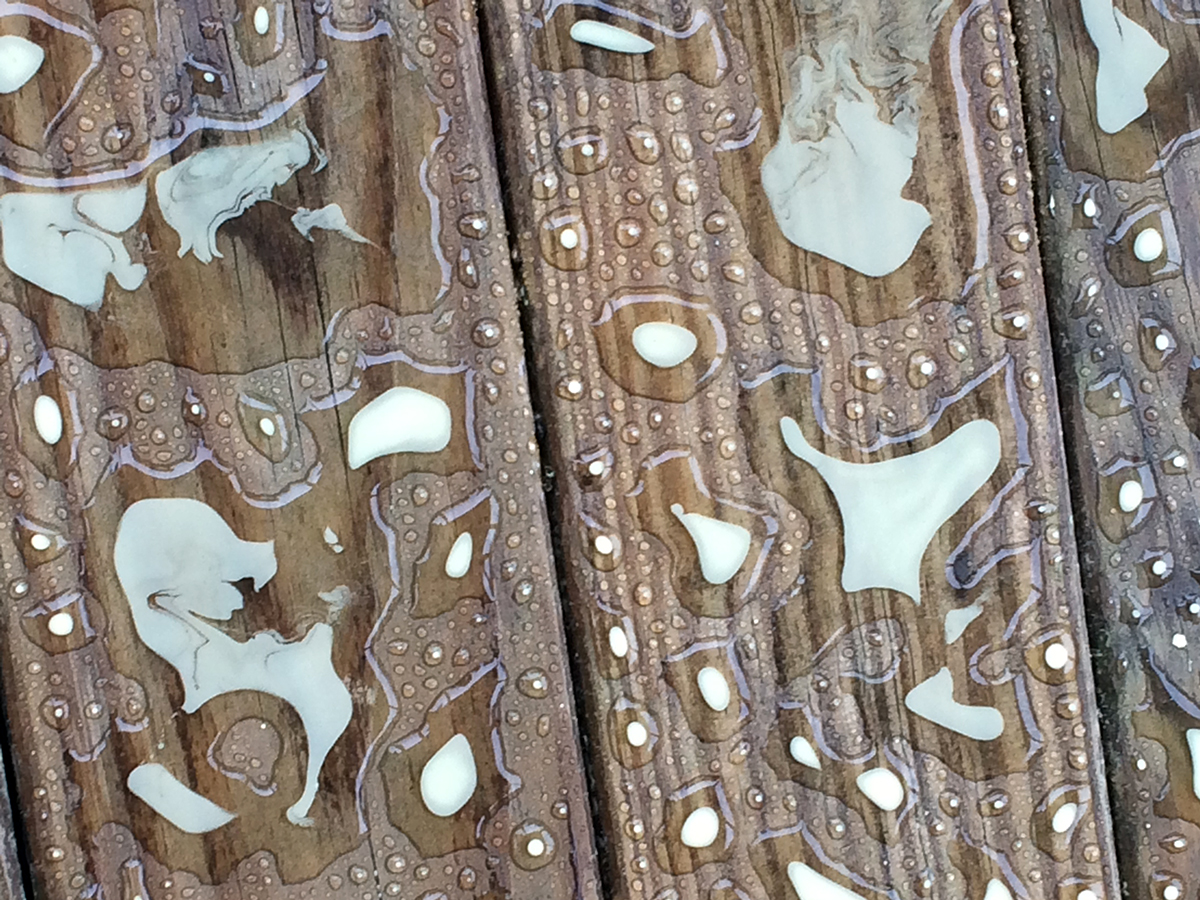
Congratulations on your spring decorating skills! Your porch, sidewalk, and steps have been painted yellow. Walking across the yard means your shoes and the cuffs of your jeans match the trim on your porch rail. Dust puffs with every step, like videos of men walking on the moon. The airborne menace sticks to your face worse than pancake makeup on a rodeo clown.
Better hope you have stock in Kleenex and Benadryl, because you’re fixing to need copious quantities of both! Sniffles and sneezes and wheezes, oh my! And Visine. Can’t forget the red, itchy eyes.
Pollen is necessary. We all know that. Without it, things can’t get pollenated. Although do we really need any more pine trees? Flowers and vegetables get pollenated without all the over-the-top, absolutely outrageous hoopla associated with pines. We’ve all seen cute little bee’s knees all decked out in puffy orange pantaloons as they visit various flowers. The bees and the flowers both seem well satisfied, so what gives?
Why do pines go crazy? Other trees need to be pollenated as well! It’s discrimination, I tell ya! Pine pollen particles are larger than those of hardwoods and theoretically don’t affect allergy sufferers as much as hardwoods. More visibility means pines get blamed. Yeah, right! Sure!
Pine trees are pollenated by the wind, as if we humans weren’t already aware. All you have to do is watch the dense clouds of pollen blowing across fields and roads, obscuring the sky like a haboob of epic proportions. Because they are wind pollenated instead of being pollenated by insects, pines rely on quantity and chance. Less pollen means fewer pines, which isn’t necessarily a bad thing, unless you’re a pine tree.
Short winters and warmer weather earlier in the spring make pollen season worse, as does less rainfall. So we’ve had a short winter and an early spring combined with very little rain this year, therefore … pollen-palooza.
But wait! Maybe we should be bottling this stuff instead of battling it.
Pine pollen is supposedly a super food, nutrient-dense and high in vitamins, minerals and antioxidants. Used in China for thousands of years for whole-body wellness and to boost energy levels (among many other things) pine pollen can be consumed in several different forms, powders, capsules and tinctures.
Pass. Hard pass.
If pine pollen was really that good for humans then everyone in eastern North Carolina should be able to cancel their health insurance straightaway. Maybe China has different pines than we do. Who knows?
Native to the Southeastern coastal plains and once the dominant species of pine, longleaf pines (Pinus palustris) made many North Carolina naval suppliers wealthy. Consisting of exports like whole tree trunks for masts and various other much-needed products for wooden ships such as pitch, rosin, turpentine and lumber for shipbuilding, harvesting the slow-growing, fire-resistant trees was a booming operation. Because of this, it’s not unusual to find the remains of tar kilns, or tarkle beds, throughout eastern North Carolina.
The pine is also the state tree, and the Order of the Longleaf Pine is the highest awarded civilian honor. Some famous recipients include Maya Angelou, Billy Graham, Charlie Daniels, and Dale Earnhardt.
Meanwhile, for those of us affected by pollen-palooza , it seems there’s little we can do except grin and bear it. Wash our cars. Spray the porch and the steps off.
Rinse and repeat.
Cheer up! Pollen season can’t last forever.