Some winter weeds are wonderful.
Wait. Weed is wonderful?
Supporter Spotlight
Not that kind of weed!
W-E-E-D-S.
Everyone has a different idea of what constitutes a weed and what doesn’t. The definition of a weed is simply a plant growing where it’s not wanted. By that definition, a volunteer tomato popping up in your flowerbed is a weed. Not to me, but you get the idea.
There are people who love dandelions and clover — both winter weeds — and people who loathe them.
Weeds don’t care whether you like them or not. They happily go about their business, doing what weeds are designed to do. Their seeds blow or otherwise hitchhike about until they find the perfect patch of dirt.
Supporter Spotlight

Clover is a nitrogen fixative, so clover seeds travel around until they find a bare spot in need of nitrogen.
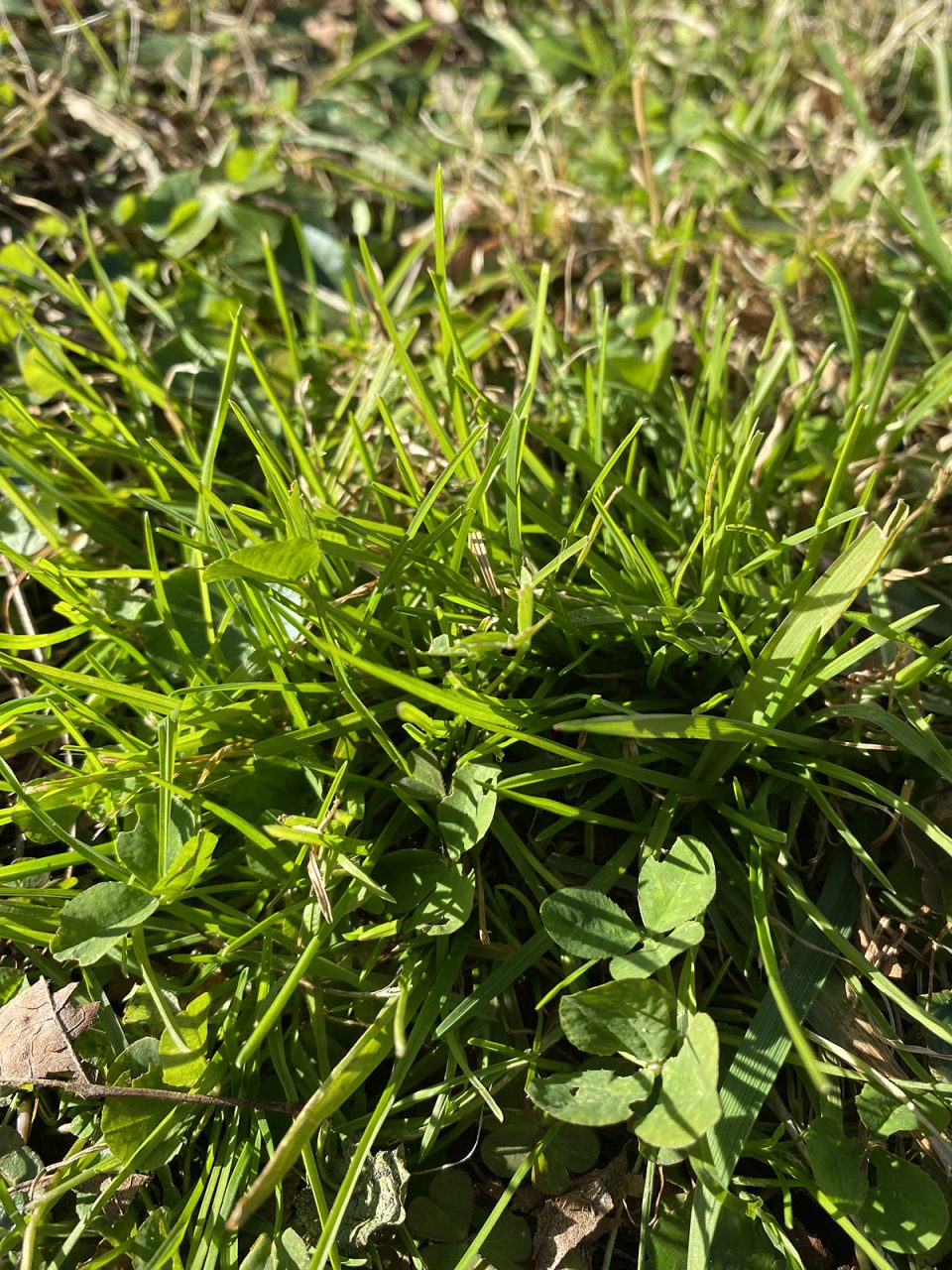
Using a symbiotic partnership with Rhizobium bacteria living in root nodules on the clover roots, the bacteria convert atmospheric nitrogen into forms usable by plants. When the clover fizzles in the heat of summer, the nitrogen becomes available to the grass and other surrounding plants.
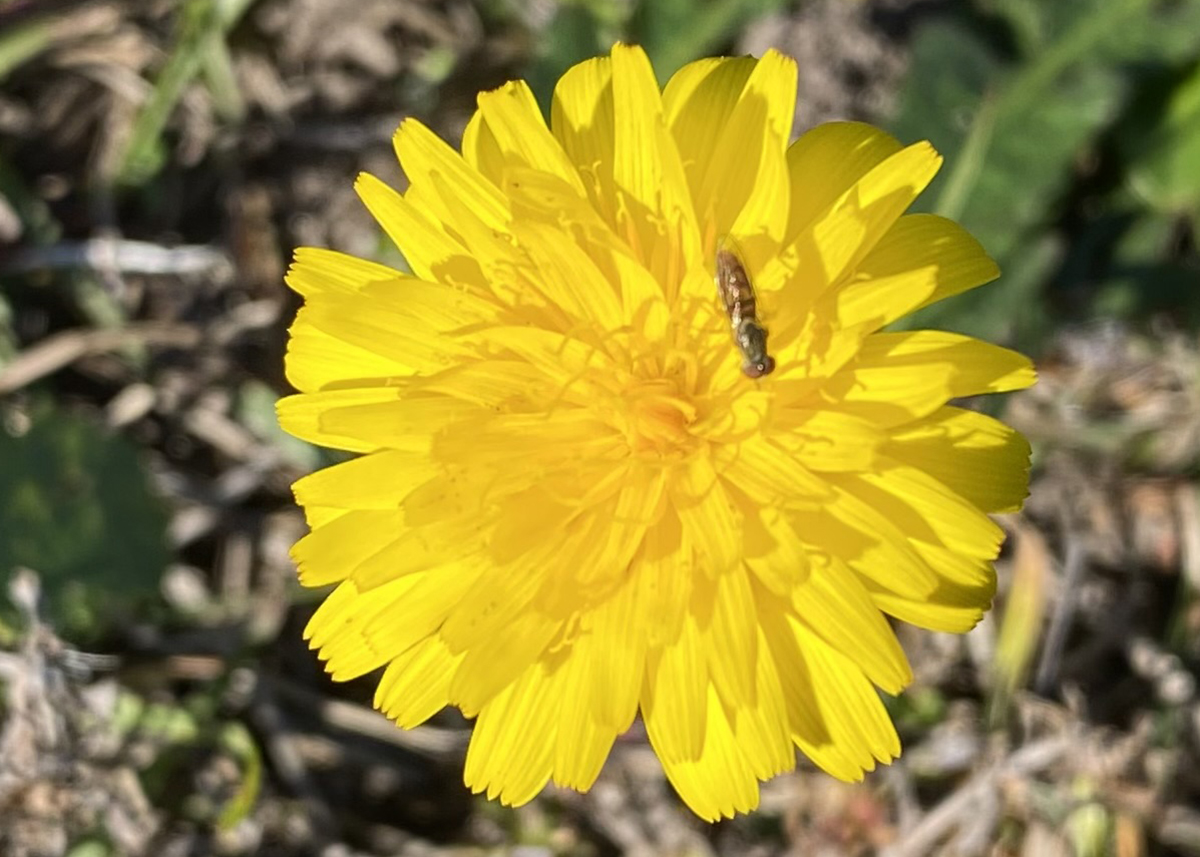
Dandelions are one of the best plants on the planet for humans. My personal theory: The harder a weed is to kill, the more beneficial it is. In our quest for tidy, golf-course-perfect yards, we’ve forgotten what our ancestors knew. Can you believe people used to intentionally plant dandelion yards?
Besides being beloved by kids and bees, every part of the dandelion is edible and beneficial. One of the first plants to pop up in late winter-early spring, they are often one of the first sources of pollen for bees. Oftentimes, in our area, they bloom all winter.
Nowadays, with processed vitamins a dime a dozen, sourcing vitamins naturally isn’t as important as it used to be. Dandelions contain vitamins A, C, and K. They are also chock full of minerals like potassium, iron, and calcium. In addition, dandelions also contain potent antioxidants, not to mention beta-carotene and polyphenols.
It’s easy to see why our ancestors valued dandelions. After a long winter with little to no fresh produce available, their bodies were depleted of vitamins and minerals. Dandelions were free and easily sourced, their bright yellow blooms outing their location like flags.
While there are always weeds around, winter weeds differ from summer weeds. Not just because of the season they thrive in, but because while the summer weeds are fading, the winter weeds are growing and taking over, and vice versa.
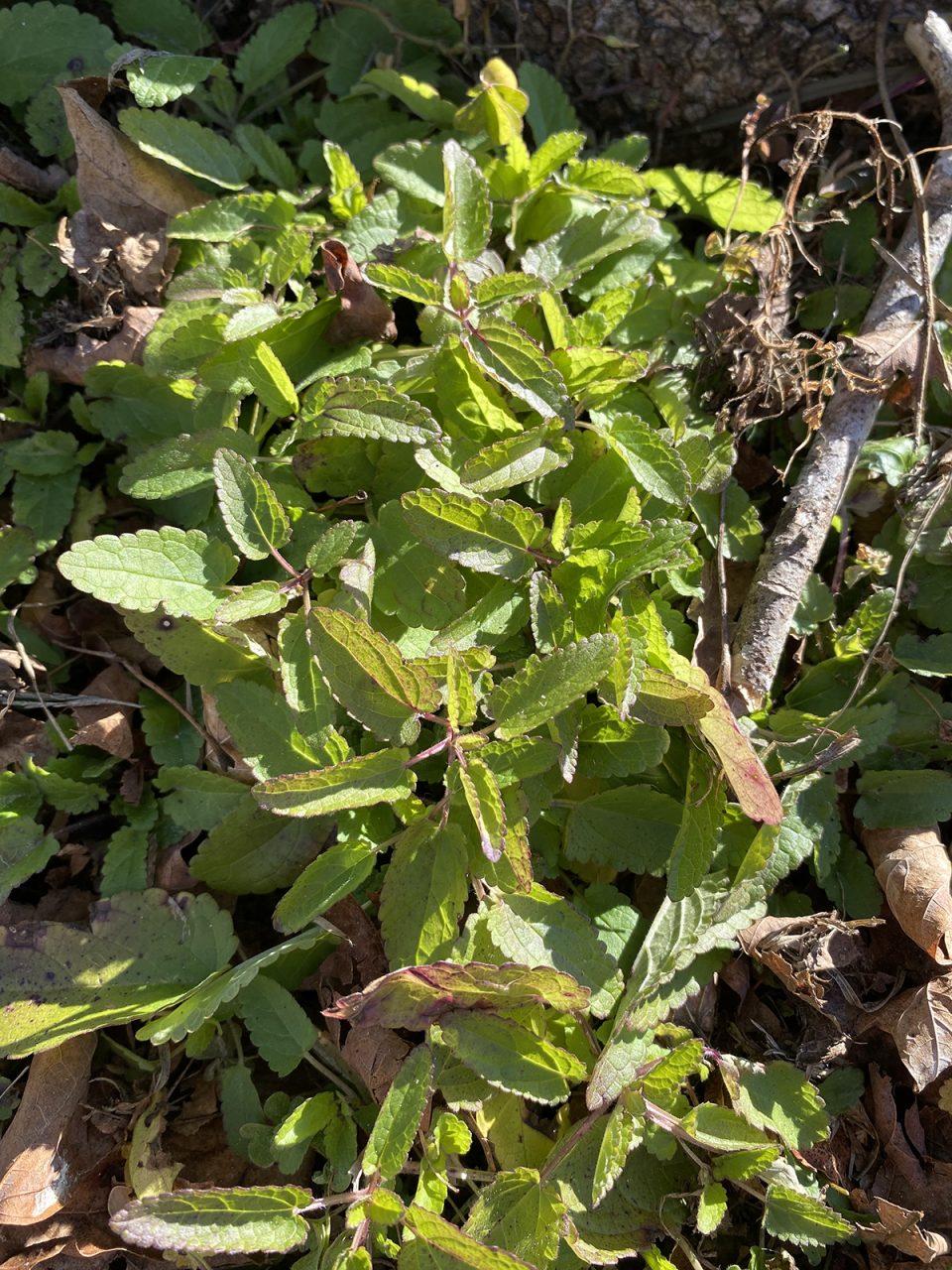
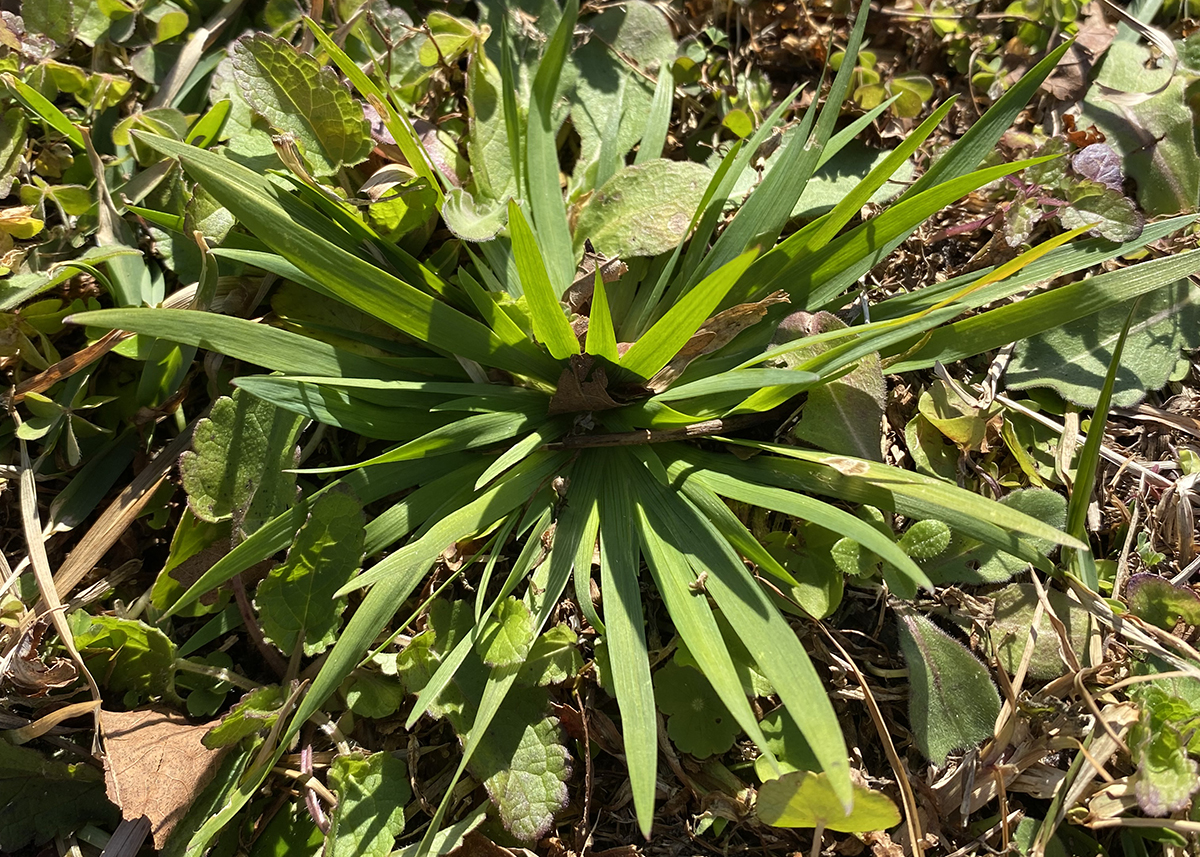
Some of the weeds you will notice more this time of year are Florida betony (Stachys floridana), clover (Trifolium), annual bluegrass (Poa annua), blue-eyed grass (Sisyrinchium), salt or large-leaf pennywort (hydrocotyle bonariensis), and spurweed, or burr clover (Soliva sessilis).
Most of these are beneficial, or at least pretty to look at or good for the soil or for bees.
The roots of Florida betony — those round, segmented pods that look like white root-beer barrel candy — are edible. Think water chestnuts in Chinese food. It’s also where Florida betony gets one of its other nicknames, rattlesnake weed. Those roots are part of what makes Florida betony so hard to eradicate. Unless you grub out every single one … like Arnold Schwarzenegger in “The Terminator,” it will be back. A member of the mint family, its distinctively aromatic leaves and seeds are also edible, usually consumed in teas.
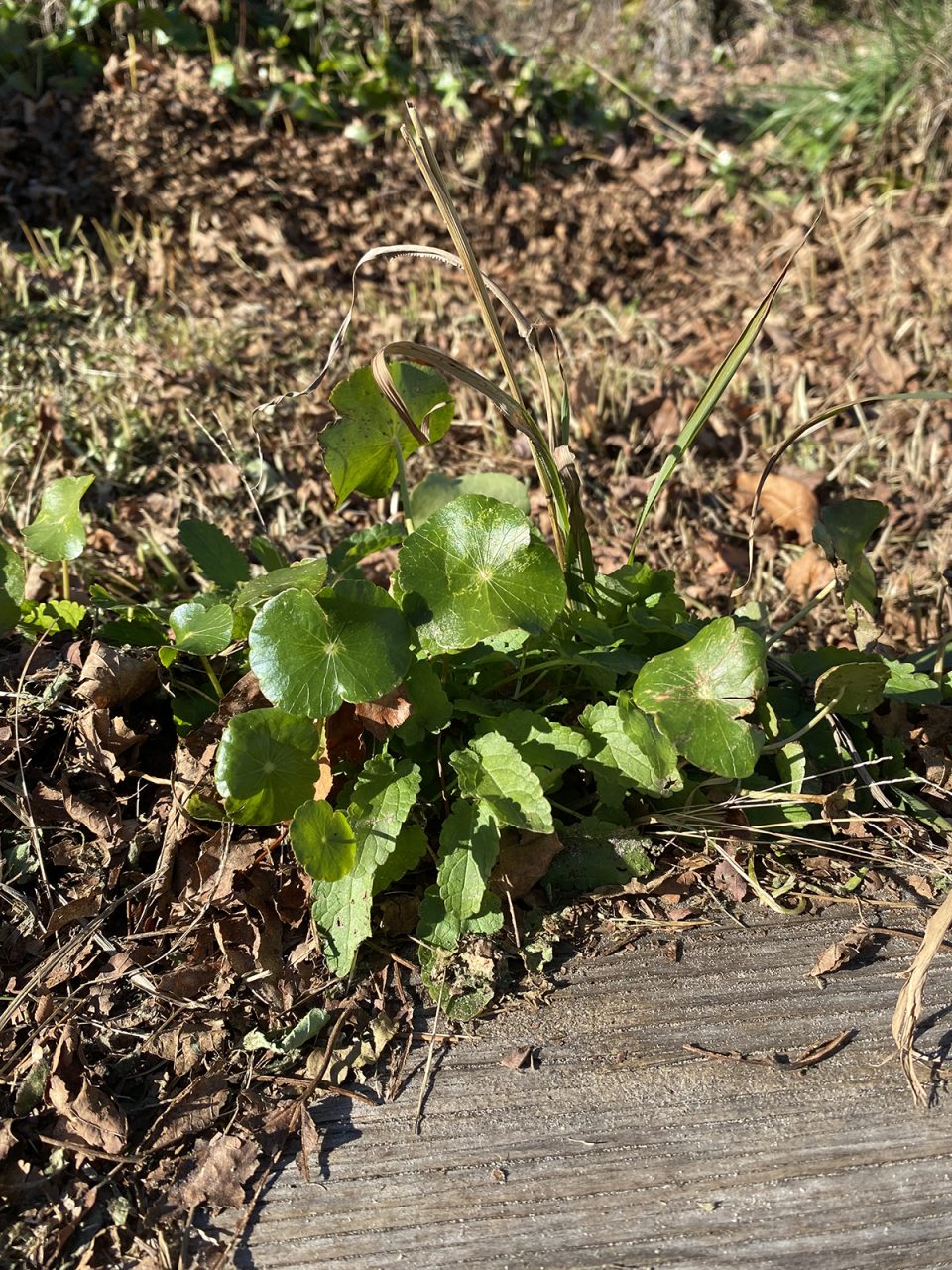
Despite how despised it is, pennywort is like dandelions, extremely beneficial. And it’s edible. In places like Asia, pennywort is used in salads or as condiments, and is well known for its medicinal properties, similar to dandelions.
The only one of the above weeds that truly needs to be eradicated is spurweed, aka burr clover. Stickers. If you’ve been to any boat ramp or ballfield in coastal counties, you’ve probably gotten to know them, and maybe these nasty devils are in your yard.
Looking all cute and innocent, like flat dog fennels, these terrors are bright green right now. About the time you start going barefoot in the yard, their evil stickers abound. Looking like the ball-shaped business end of a miniature ancient flail weapon, the nasty stickers are the seeds.
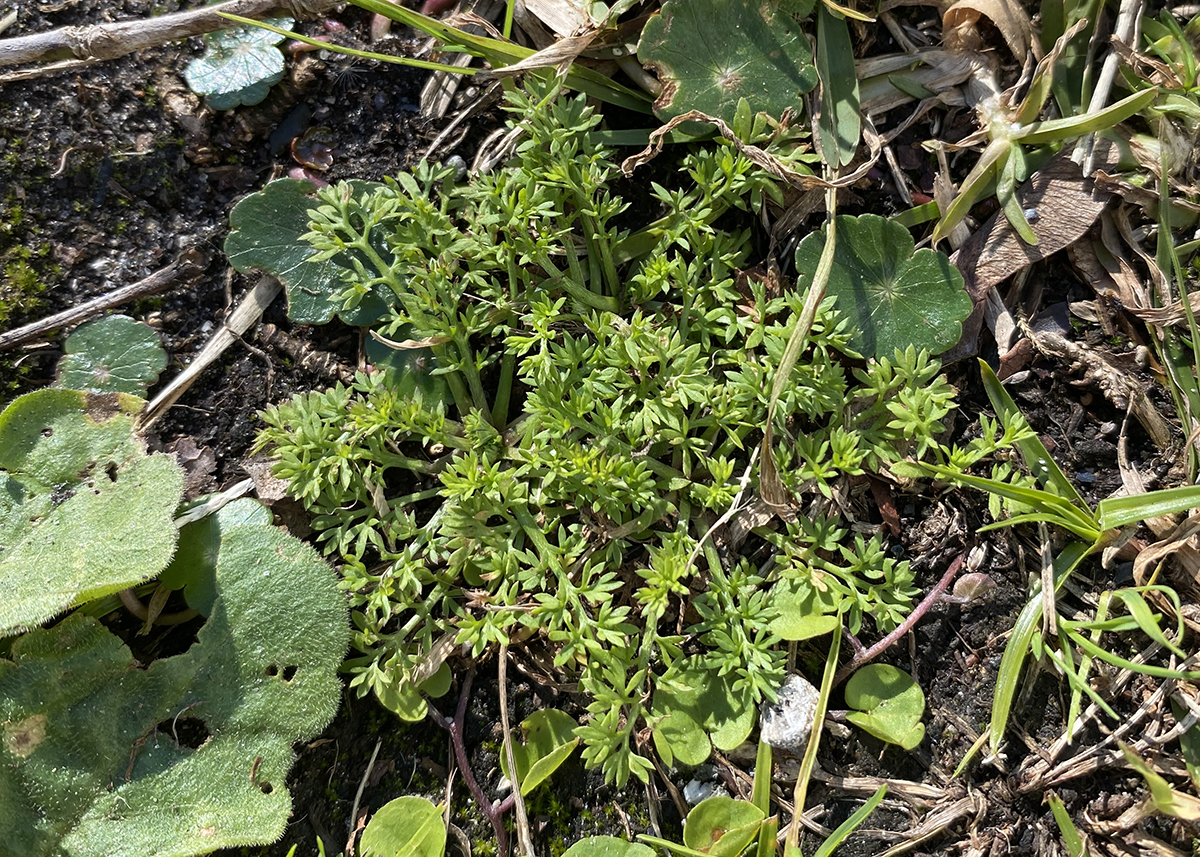
Every time you move the boat, or mow the yard, or the dog runs around … every time those stickers get transferred to another spot because they were imbedded in a tire or the bottom of someone’s foot or shoe or paw, you’re seeding a new plant. Grrrr.
If you only notice a few, a fork works great for popping them out of the ground. Then you can put them in the burn pile and dance gleefully around their crisping bodies …
Oops. Got a bit carried away there. So, you can properly dispose of them. Otherwise, and I hate to recommend this, SPRAY! Do it NOW!
If you don’t dig them up or spray them, your whole yard will soon become a solid mat of these utterly obnoxious freeloaders. By the time you’re hopping and cussing as you’re picking stickers out of your foot, it’s too late. You will have inadvertently shared them with all your friends and neighbors.
While winter weeds, and weeds in general, give most of us a headache, they can be very beneficial. Besides being something green in a brown world, winter weeds help hold the soil in place. They feed critters such as rabbits and deer, and chickens if you have them. Even guinea pigs love fresh weeds.
If you possess the knowledge to utilize them, winter weeds are an inexpensive way to stretch your grocery budget, and to eat healthier. Not saying they always taste the greatest but bitter is better than nothing. Dandelion roots were often dried and roasted, along with chicory —which is becoming really hard to find around here — as a coffee substitute. Yaupon (Ilex vomitoria) contains caffeine and has been used for centuries as a tea and for medicinal purposes such as fever and digestive issues, although too much will make it live up to the vomitoria part of its name.
Just make sure your plant ID skills are up to par and that the weeds you’re getting ready to nosh on haven’t been sprayed.