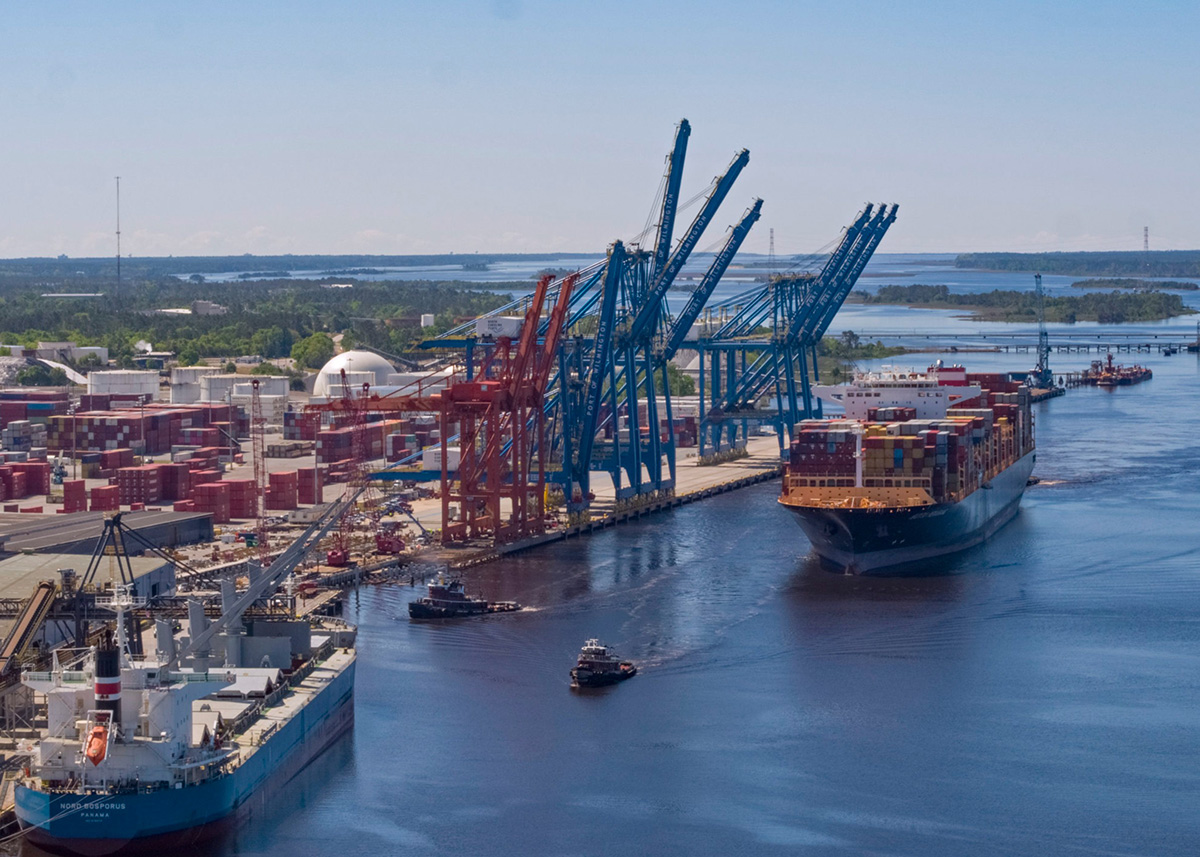
The Army Corps of Engineers wants more time to mull over concerns that have been brought up on the proposed project to deepen and widen portions of the Wilmington Harbor channel.
The North Carolina Division of Coastal Management announced late Tuesday afternoon it had granted the Corps’ request, indefinitely pausing the division’s review of whether the proposed project is consistent with state coastal management program laws, regulations and policies.
Supporter Spotlight

“The decision to pause allows time for the Corps to review and consider issues raised by DCM and the public before DCM completes its review,” according to a release. “A timeline has not been established for when the pause may be lifted.”
The pause follows a series of deadline extensions that have been made in recent weeks on the proposed project, one that is being highly scrutinized for its potential effects to the environment, shorelines and treasure of historic and culturally significant areas along the shores of the lower Cape Fear River.
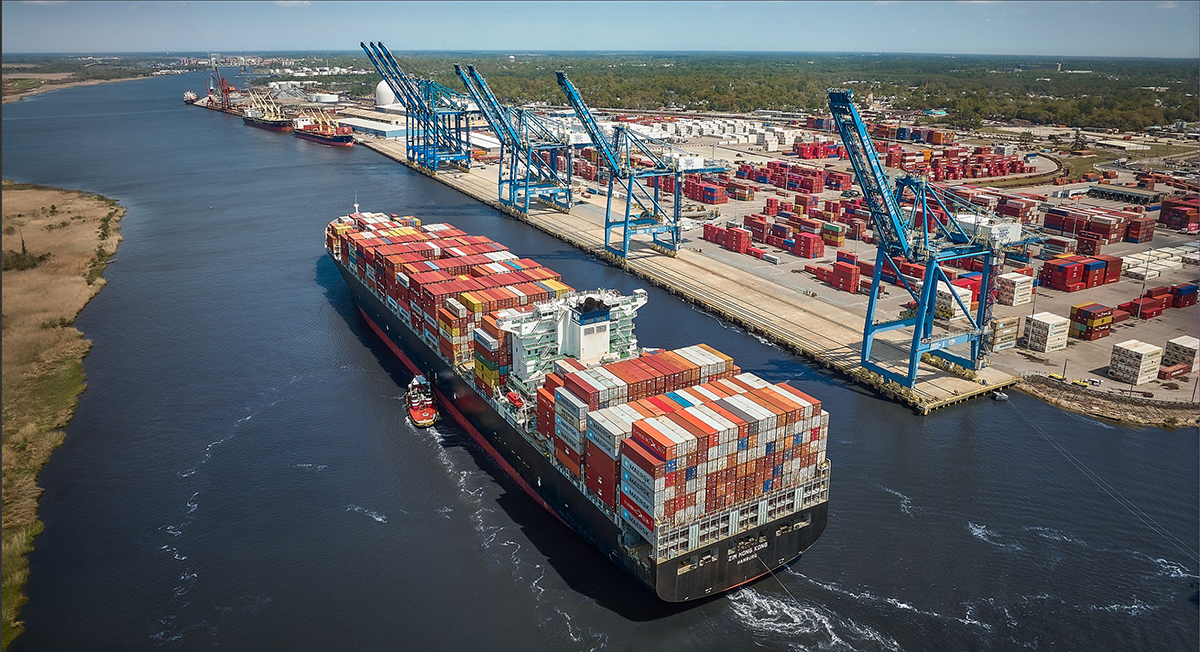
The N.C. State Ports Authority says the project designed to accommodate larger ships would attract more import and export business to the port, ease shipping congestion on the East Coast, and keep the state’s ports competitive. The proposal calls for deepening the harbor channel by 5 feet and widening portions of it from the mouth of the Cape Fear River to the Wilmington port.
In late December, the division announced that the Corps’ Wilmington District was giving the division more time to complete its review of the federal determination, pushing its deadline from Jan. 5 to Jan. 19.
The Corps requested the pause on Jan. 16, just days after state fisheries and wildlife resources officials sent the division memorandums saying those agencies continue to have concerns about impacts to fish and wildlife resources within the proposed project area.
Supporter Spotlight

A Corps spokesperson did not respond to a request for comment by deadline for this report.
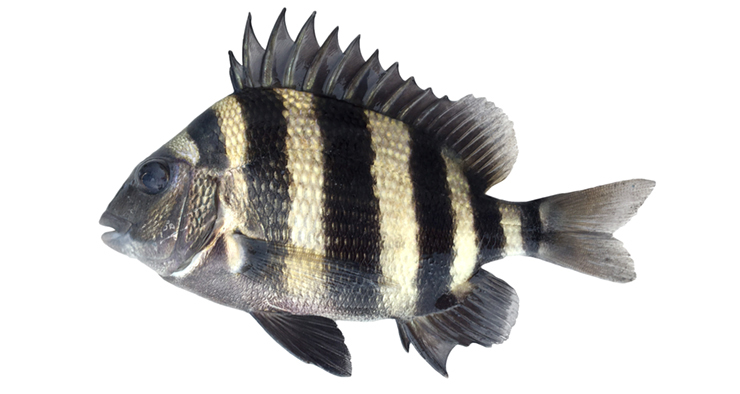
In its Jan. 14 memorandum to the Division of Coastal Management, the N.C. Division of Marine Fisheries reiterated its concerns about the proposed project’s effects on habitat essential to fish in the river, wetlands connected to the river, and the overall water quality in the river.
Deepening and widening the harbor as planned “will have significant adverse impacts to fisheries resources due to the permanent loss of state-designated nursery and anadromous fish spawning areas along the Cape Fear River estuary and its tributaries,” the memorandum states.
“There is also potential for significant adverse impacts to wetlands, (submerged aquatic vegetation), shellfish resources, and water column habitat due to insufficient mitigation plans and uncertain impacts associated with the proposed actions that are not adequately discussed,” in the federal letter report and draft environmental impact statement of the Wilmington Harbor 403 navigation project released in September. The figure 403 refers to the relevant section of the Water Resources Development Act.
N.C. Wildlife Resources Commission officials raised similar worries, stating in a Jan. 15 memorandum to DCM that while it had been involved throughout the project’s development process, “our agency still has concerns regarding impacts the proposal will have on wildlife resources in the project area.”
“These comments include concerns regarding the proposal’s direct impacts to wildlife habitats, whether impacts to these habitats have been adequately assessed, inadequacies of mitigation proposals, the need to consult appropriate agencies prior to moving forward with the proposal, and the subsequent impacts to wildlife and their habitats (particularly nesting waterbirds and shorelines) from larger and increased vessel use.”
A number of towns in Brunswick and New Hanover counties have adopted resolutions urging state and federal agencies to protect a series of islands within the lower Cape Fear River that support 30% of the state’s coastal shorebird population.
Those towns are also calling for the creation of a comprehensive, long-term, and fully funded environmental and adaptive management plan to cover costs related to monitoring and mitigation to prevent and repair environmental harm.
A Corps official earlier this month confirmed to Coastal Review that the agency was implementing a programmatic agreement with the North Carolina State Historic Preservation Office, the General Services Administration, the state Ports Authority, “and possibly the Advisory Council on Historic Preservation” to review historic and culturally significant areas along the river that may be impacted by the proposed project.
The agreement must be signed before the agency finalizes project plans, which would occur after the Corps releases its final environmental impact statement.
The final environmental impact statement is expected to be released sometime this summer, according to a tentative timeline released by the Corps. It is unclear how the Corps’ request of the state to pause its review may affect that projected timeline.
Once the review process resumes, DCM must decide whether to concur with or object the Corps’ determination.
“If DCM objects, it can offer alternatives or conditions that, if agreed to by the Corps, would allow the project to proceed,” according to the division.
Construction on the proposed project would begin no earlier than 2030 and take about six years to complete, a schedule Corps officials have said is optimistic.